historical linguistics
-
The Path of ‘Path’

Reading time: 5-10 minutes For this month, I’d like to shine an etymological spotlight on a humble bit of English vocabulary, which, at first glance, you wouldn’t give a second thought. As this post’s title implies, the everyday word in question is path. What, I hear you cry, is so special about path? It’s a… Continue reading
-
Humble Thimbles and Thor’s Thunder

Reading time: 5-10 minutes For this month, I’d like to highlight a phonological phenomenon that should be part of the conceptual toolkit of all etymology fans. It’s something that’s happened in the history of English, and in languages that have gone on to influence English. Awareness of this change can therefore clarify and connect all… Continue reading
-
The Fates of the Dual

The Story of Indo-European’s (Mostly) Lost Number Introduction One book, many books. One cat, many cats. One woman, many women. One sheep, many… Well, also sheep. In Modern English, the grammatical options for nouns are limited to two. A given noun can be singular, referring to one individual thing, or plural, which is used for… Continue reading
-
The Reichenau Glossary and the Birth of French

Reading time: 10 minutes Now, I must confess, I have been somewhat preoccupied for the past two months, and so haven’t dedicated time to this site. The jump into the world of podcasting has taken a lot of effort, and yet the website hasn’t been far from my thoughts. So, for this October, I’m getting… Continue reading
-
Five Antiquities of English
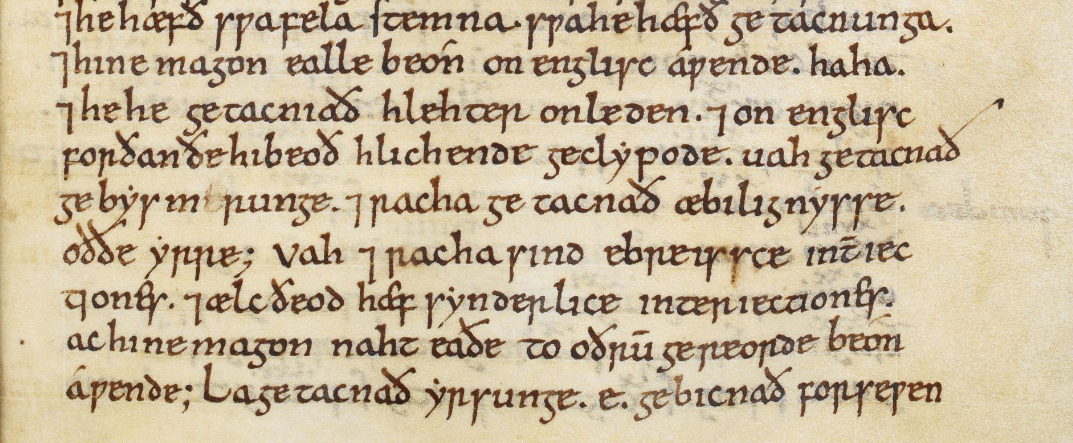
Reading time: 10-15 minutes To listen along in an audio format, just click here: IT’S WELL KNOWN that English has undergone many significant changes down the centuries. Events like the Norman Conquest have drastically altered the shape of the language, influencing words and sounds so much that a new kind of English was born. Yet… Continue reading
-
What did British Latin sound like?

The transition from Roman Britain to Medieval Britain is a fascinating historical, archaeological and linguistic puzzle. The fifth, sixth and seventh centuries AD in Britain are like a black box, into which we put a well-integrated region of the Roman Empire, and out of which emerges a patchwork of new kingdoms, cultures and languages. Explaining… Continue reading
-
Why does Czech sound like that?
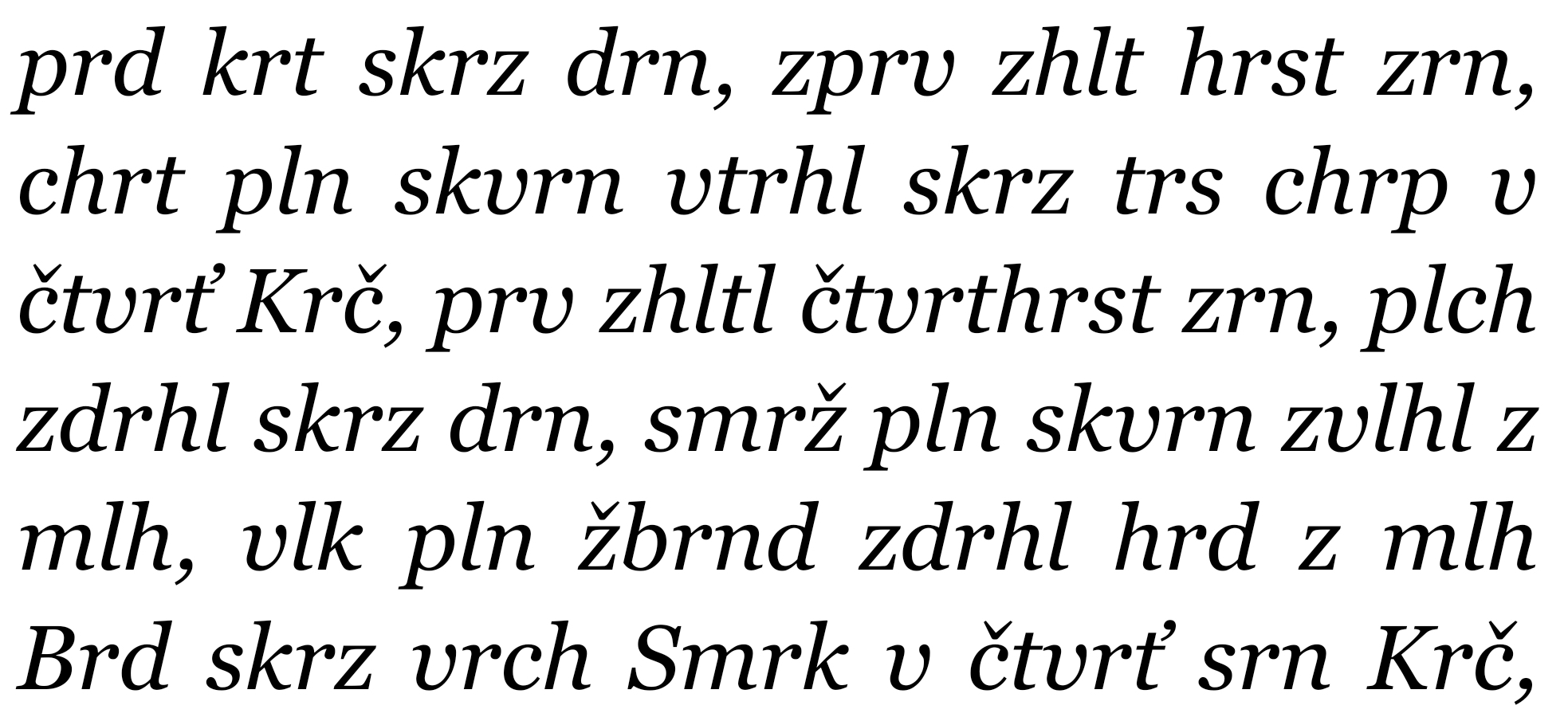
Reading time: 10-15 minutes To listen to this piece and my mixed success at pronouncing both modern-day Czech and ancient Slavic, click here: To hear the sounds denoted between /slashes/, click here for an interactive IPA. The Czech language has, among language learners and lovers, a fairly fierce reputation. Over the intricacies of its grammar… Continue reading
-
Behind the Scenes of Etymology with YouTube’s Jackson Crawford
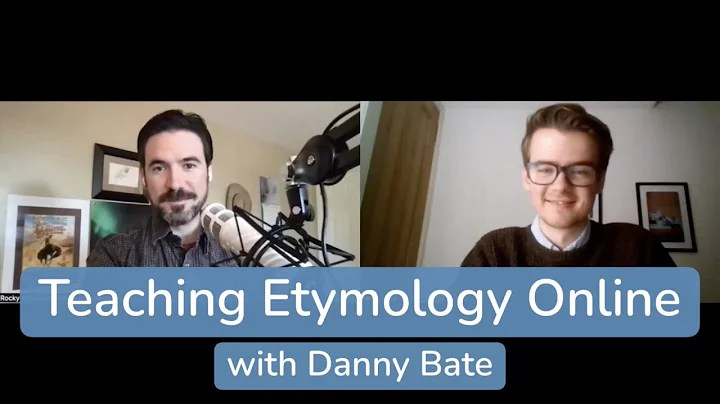
Just another personal bit of news from me: my appearance as a virtual guest and interviewee of Dr Jackson Crawford is now up on YouTube! Dr Crawford is one of the biggest linguistics YouTubers active at the moment, and it was a real thrill to be invited for one of his Patreon interviews. You can… Continue reading
-
(Hopefully) Halfway to Doctorhood

Reading time: 15-20 minutes Passing a milestone on a long journey, be it a metaphorical or a literal one, is always a moment for reflection. Recently, after fifteen months, I crawled over the finish line of a large part of my PhD project, and promptly ran off to the pub. The morning after, I awoke… Continue reading
-
The Almost Romance Languages

If you like languages, you’ve probably heard the terms Romance and the Romance family. Although it started life as a name for the language of medieval France, Romance has come to be the umbrella term for a big group of modern tongues, including French, Spanish, Portuguese, Catalan, Italian and Romanian. The key criterion behind this… Continue reading