Celtic
-
What the Isle of Man Teaches Us About Spelling

In the sea between Britain and Ireland, there lies a much smaller island that is geographically and politically separate from the two landmasses on either side. This land is nominally subject to its own Lord, passes laws in a Tynwald, and is called home by 84,000 humans, a population of tail-less cats, an internationally famous… Continue reading
-
New Article: Deriving the Old Irish Clause
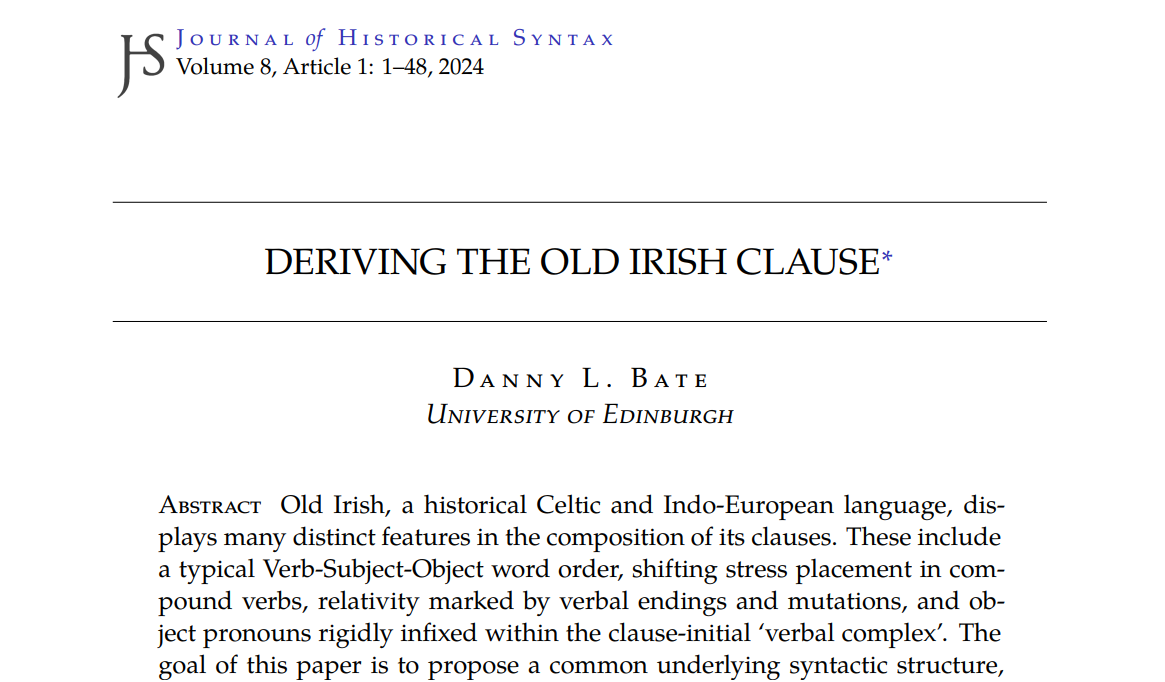
Some personal news from me: My first peer-reviewed academic article has now been published with the Journal of Historical Syntax! After almost a year of work by me, three reviewers and the editors of JHS, Deriving the Old Irish Clause now exists out there to be read and hopefully enjoyed. It can be found here… Continue reading
-
The Gaulish in English, in 10 Words
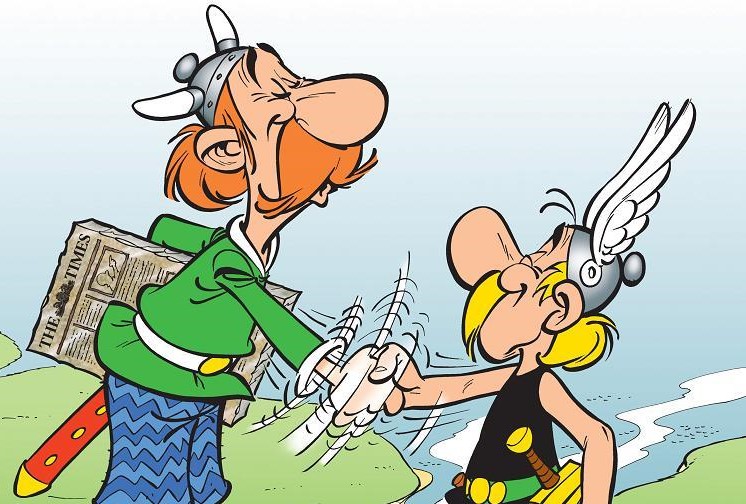
Reading time: 10-15 minutes To hear me speaking in my not-quite-best Latin, you can listen along here: IF you know a thing or two about Roman history, you will have come across the Gauls. They loom large in the story of Rome’s rise to dominance, both as their aggressor and as victims of their conquests.… Continue reading
-
What did British Latin sound like?

The transition from Roman Britain to Medieval Britain is a fascinating historical, archaeological and linguistic puzzle. The fifth, sixth and seventh centuries AD in Britain are like a black box, into which we put a well-integrated region of the Roman Empire, and out of which emerges a patchwork of new kingdoms, cultures and languages. Explaining… Continue reading