Etymology
-
A CHRISTMAS Full of Etymology
Reading time: 5 minutes It’s December now, the month when the calendar helpfully provides me with a topic for the monthly article. So, here’s a short and sweet linguistic post with a festive theme: nine Christmas-related words that I think have interesting etymologies, one for each of the nine letters of the word Christmas. I… Continue reading
-
Oneteen, twoteen? The origins of ‘eleven’ and ‘twelve’
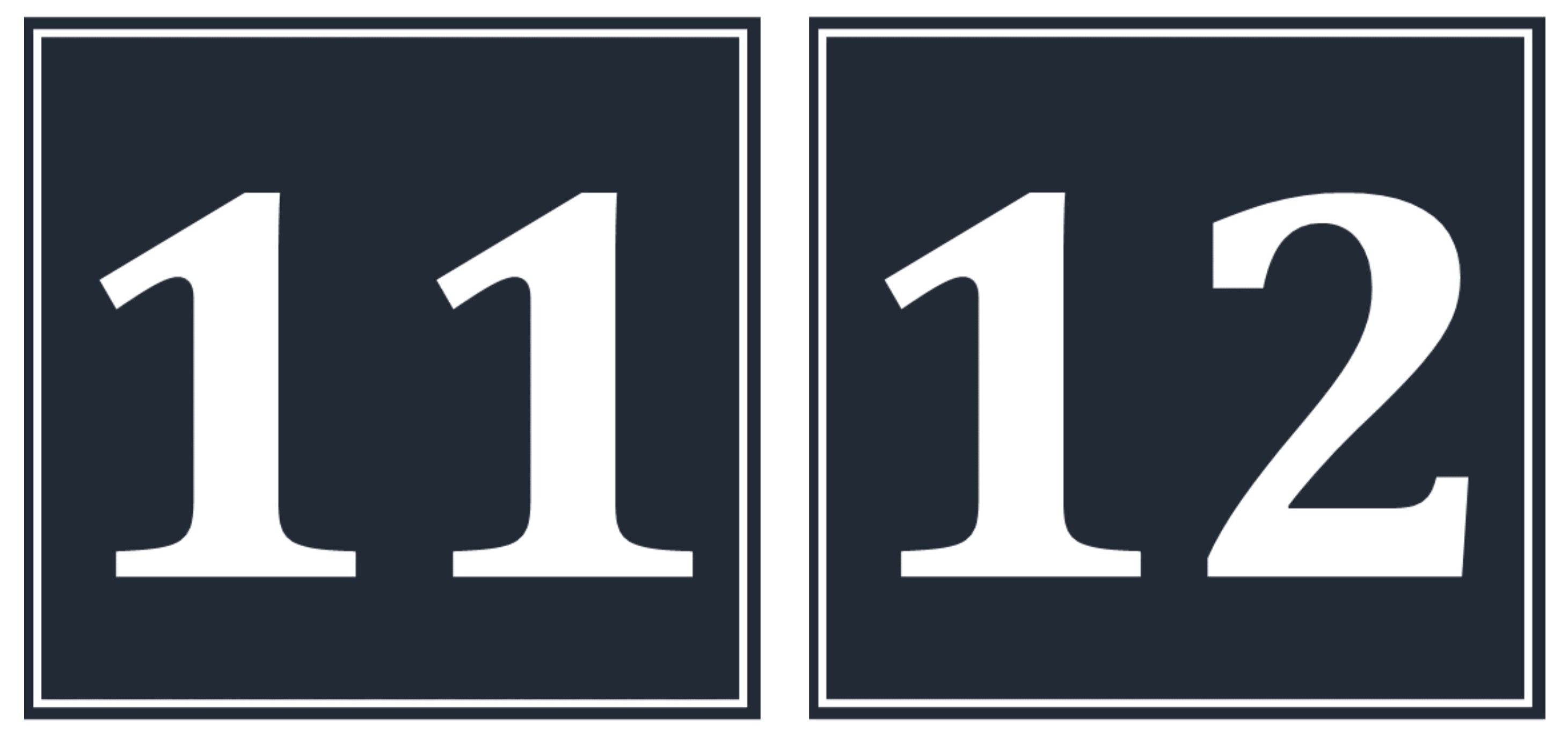
Reading time: 5 minutes November, at time of writing, is ticking out its final few hours, and with them, the eleventh month of 2024 is giving way to the twelfth. Aside from the awkward mismatch in the months’ etymology (November and December were originally the ninth and tenth months in the Roman calendar), the numbers… Continue reading
-
Verba Bohemica: The Oldest Latin Words in Czech
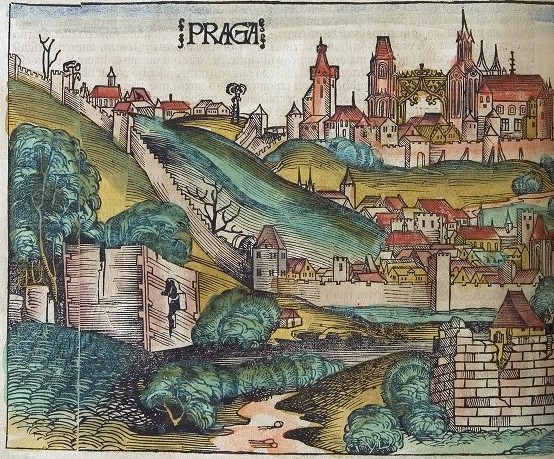
Reading time: 5-10 minutes For this month, I’d like to revisit two languages very close to my heart: Latin and Czech. Besides English, they’re the two languages I tend to spend the most time with. Specifically, this is a simple post about how the former has historically affected the latter. As a European language, it’s… Continue reading
-
The Path of ‘Path’

Reading time: 5-10 minutes For this month, I’d like to shine an etymological spotlight on a humble bit of English vocabulary, which, at first glance, you wouldn’t give a second thought. As this post’s title implies, the everyday word in question is path. What, I hear you cry, is so special about path? It’s a… Continue reading
-
Spending Pounds and Pensively Pondering: pend- in English

Reading time: 5-10 minutes Just a simple piece from me for this month, in which I’d like to shine a spotlight on a Latin root that’s been remarkably successful in English vocabulary. It all goes back to hanging things. In Latin, we find the very similar verbs pendere and pendēre. They’re close not only in… Continue reading
-
Humble Thimbles and Thor’s Thunder

Reading time: 5-10 minutes For this month, I’d like to highlight a phonological phenomenon that should be part of the conceptual toolkit of all etymology fans. It’s something that’s happened in the history of English, and in languages that have gone on to influence English. Awareness of this change can therefore clarify and connect all… Continue reading
-
The Fates of the Dual

The Story of Indo-European’s (Mostly) Lost Number Introduction One book, many books. One cat, many cats. One woman, many women. One sheep, many… Well, also sheep. In Modern English, the grammatical options for nouns are limited to two. A given noun can be singular, referring to one individual thing, or plural, which is used for… Continue reading
-
Streets Ahead: When Roman Roads Met Old English
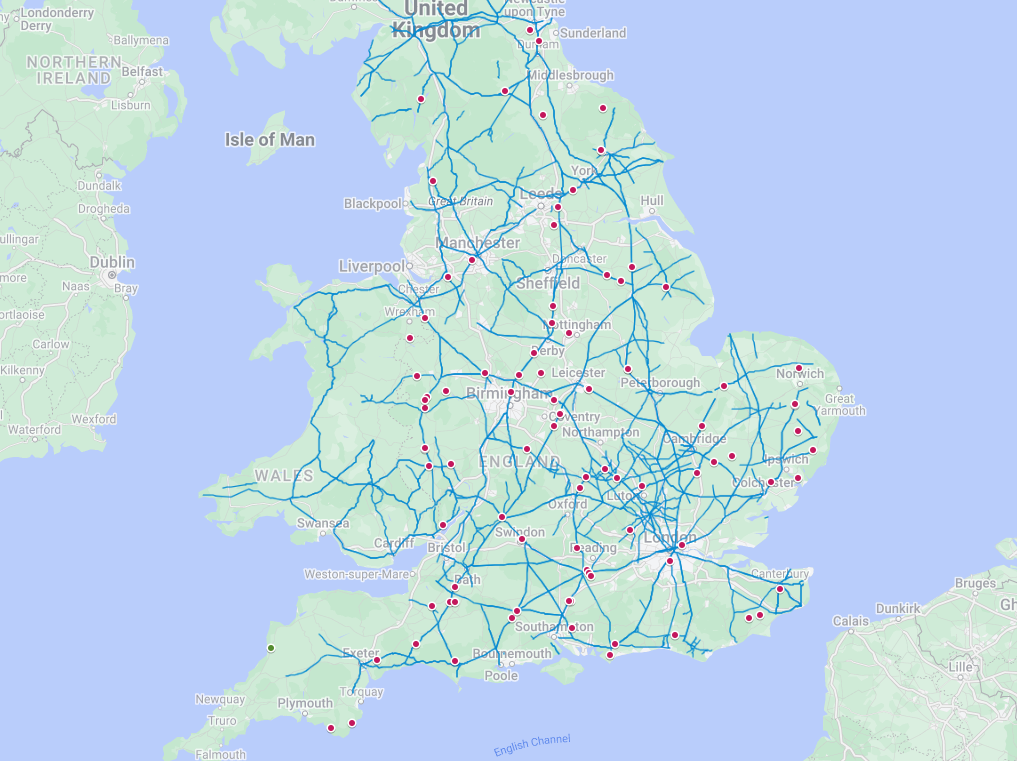
Reading time: 5 minutes (With my apologies to subscribers for the second email, following an accidental premature publication) I’m very keen to share a fun linguistic adventure that I found myself on this week, as I dug down into the history of the humble English word street. It all began with a Patreon post by… Continue reading
-
Christmas Trees and Etymologies

Reading time: 5 minutes As an etymological Christmas gift from me for 2023, here’s a quick dive into the story and connections of one festive word: the humble Christmas tree. Now, Modern English tree goes back to Old English trēow, which could mean a specific tree or the substance of wood. … Ġeseah iċ wuldres trēow,wǣdum ġeweorðode, wynnum sċīnan,ġeġyred mid golde; ġimmas hæfdonbewriġene weorðlīċe… Continue reading
-
The Reichenau Glossary and the Birth of French

Reading time: 10 minutes Now, I must confess, I have been somewhat preoccupied for the past two months, and so haven’t dedicated time to this site. The jump into the world of podcasting has taken a lot of effort, and yet the website hasn’t been far from my thoughts. So, for this October, I’m getting… Continue reading