
A newflash from me: I’ve made a move into the world of animation! Up now on YouTube is a brand-new video on etymology and the history of English, partly narrated and scripted by me. It’s collaboration with the talented animator Will as part of his Learn with Will series of educational videos, and you canContinue reading “Learning English Etymology with Will!”
Author Archives: dannylbate
The Gaulish in English, in 10 Words
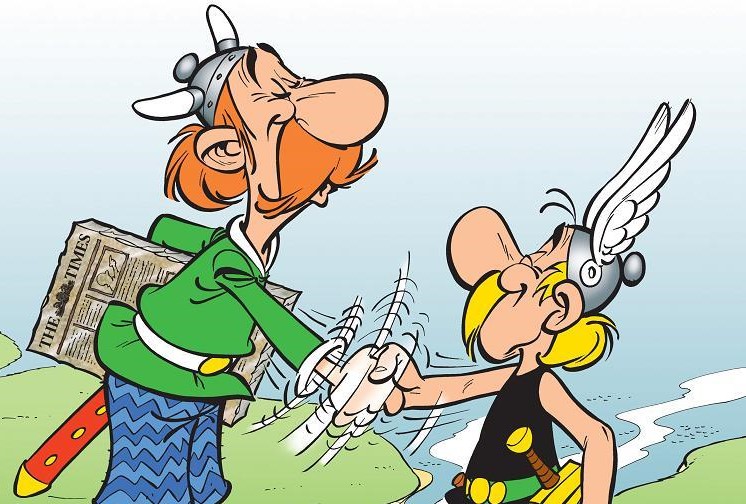
Reading time: 10-15 minutes To hear me speaking in my not-quite-best Latin, you can listen along here: IF you know a thing or two about Roman history, you will have come across the Gauls. They loom large in the story of Rome’s rise to dominance, both as their aggressor and as victims of their conquests.Continue reading “The Gaulish in English, in 10 Words”
What did British Latin sound like?

Reading time: 15 minutes Available again in audio format! Click here to hear this article read in my slightly rough, post-cold voice, with my sincere apologies to the Welsh language. THE TRANSITION from Roman Britain to Medieval Britain is a fascinating historical, archaeological and linguistic puzzle. The fifth, sixth and seventh centuries AD in BritainContinue reading “What did British Latin sound like?”
Why does Czech sound like that?

Reading time: 10-15 minutes To listen to this piece and my mixed success at pronouncing both modern-day Czech and ancient Slavic, click here: To hear the sounds denoted between /slashes/, click here for an interactive IPA. The Czech language has, among language learners and lovers, a fairly fierce reputation. Over the intricacies of its grammarContinue reading “Why does Czech sound like that?”
A Linguist Abroad: Holidaying with Hungarian

Reading time: 10-15 minutes Here’s something new for the blog: audio! If, for some reason, you’d like to hear my dulcet tones offending multiple European countries with my pronunciation of their words, you can listen to the full article here: This month, I had the good fortune to make a visit to Hungary and toContinue reading “A Linguist Abroad: Holidaying with Hungarian”
Behind the Scenes of Etymology with YouTube’s Jackson Crawford

Just another personal bit of news from me: my appearance as a virtual guest and interviewee of Dr Jackson Crawford is now up on YouTube! Dr Crawford is one of the biggest linguistics YouTubers active at the moment, and it was a real thrill to be invited for one of his Patreon interviews. You canContinue reading “Behind the Scenes of Etymology with YouTube’s Jackson Crawford”
(Hopefully) Halfway to Doctorhood

Reading time: 15-20 minutes Passing a milestone on a long journey, be it a metaphorical or a literal one, is always a moment for reflection. Recently, after fifteen months, I crawled over the finish line of a large part of my PhD project, and promptly ran off to the pub. The morning after, I awokeContinue reading “(Hopefully) Halfway to Doctorhood”
Bad Romance: An Introduction to the Appendix Probi

Reading Time: 10 minutes How exactly did we get from Latin to the many Romance languages of today? What changes happened to Latin that it should end up looking so different? These are the driving questions of Romance historical linguistics, the field of study that aims to investigate how French, Spanish, Catalan, Italian, Romanian andContinue reading “Bad Romance: An Introduction to the Appendix Probi”
Digging Old Irish
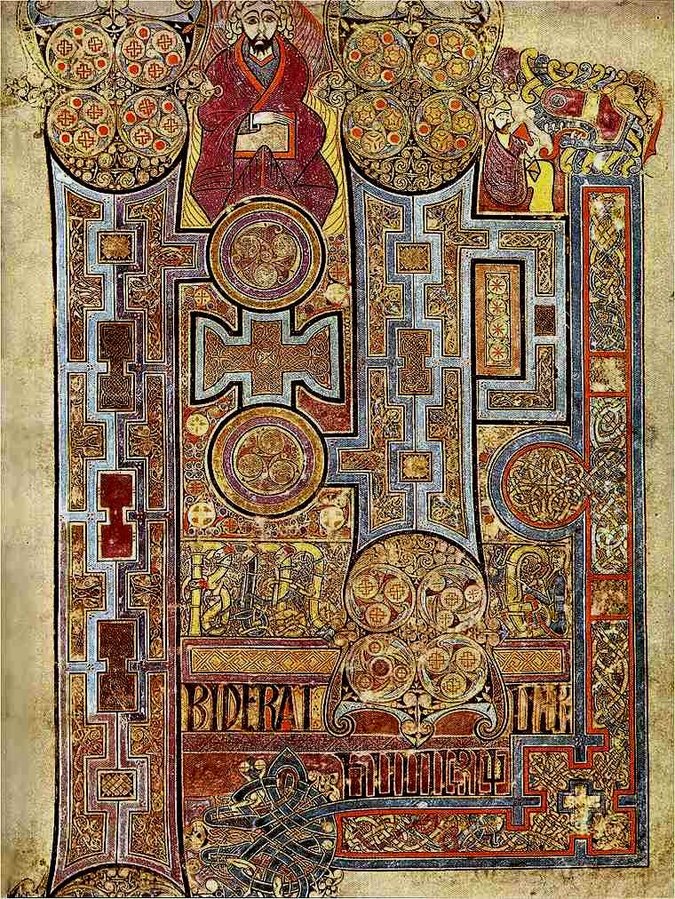
Reading time: 15-20 minutes Old Irish has a bit of a bad reputation. This historical form of the Irish language, dated to between c. 600 AD and c. 900 AD, is a challenge for learners, even for those who already know some Modern Irish. Its systems of spelling, sounds, word order and grammar are veryContinue reading “Digging Old Irish”
The Almost Romance Languages
Reading time: 15-20 minutes If you like languages, you’ve probably heard the terms Romance and the Romance family. Although it started life as a name for the language of medieval France, Romance has come to be the umbrella term for a big group of modern tongues, including French, Spanish, Portuguese, Catalan, Italian and Romanian. TheContinue reading “The Almost Romance Languages”
 Danny L. Bate