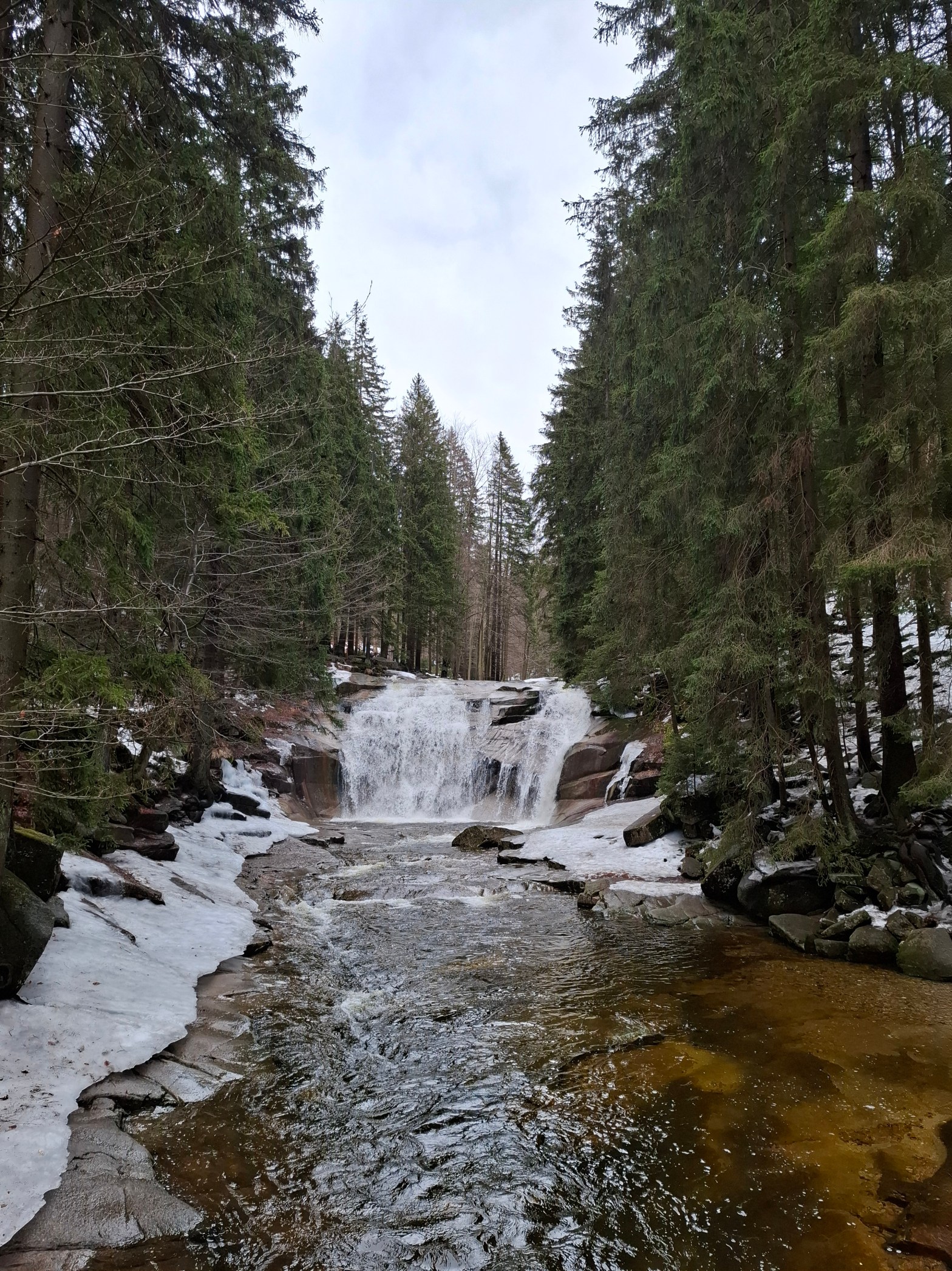
Local rivers, specifically just one bit of them, have had me reflecting on lost language and the flow of time again. No one will be surprised by this. I recently descended from the heights of an enjoyable weekend in Krkonoše, a very hilly national park in the Czech Republic. Tucked up between two angles ofContinue reading “Vltava, Sázava, Mumlava: A Mumble of Voices Almost Lost”
Category Archives: Germanic
Cool Etymology: Chilled Jelly and Cold Gelato

In previous years, I’ve seized on the annual holiday of Christmas as inspiration for a December article. For this year, though, I fancy a foray into the weather conditions associated with that holiday: that is, the cold. Christmas imagery is inseparable from low temperatures, what with all its snow, reindeer, and jolly gentlemen in fur-linedContinue reading “Cool Etymology: Chilled Jelly and Cold Gelato”
You Know More Finnish Than You Think

Linguistics illuminates the linguistically obscure – or so I’ve always thought. It’s a common theme of my online output that a little bit of historical linguistics goes a long way, making helpful connections and breaking down psychological barriers. This theme was present in two old posts of mine that used etymology to elucidate two OldContinue reading “You Know More Finnish Than You Think”
The Liquid of the Elbe
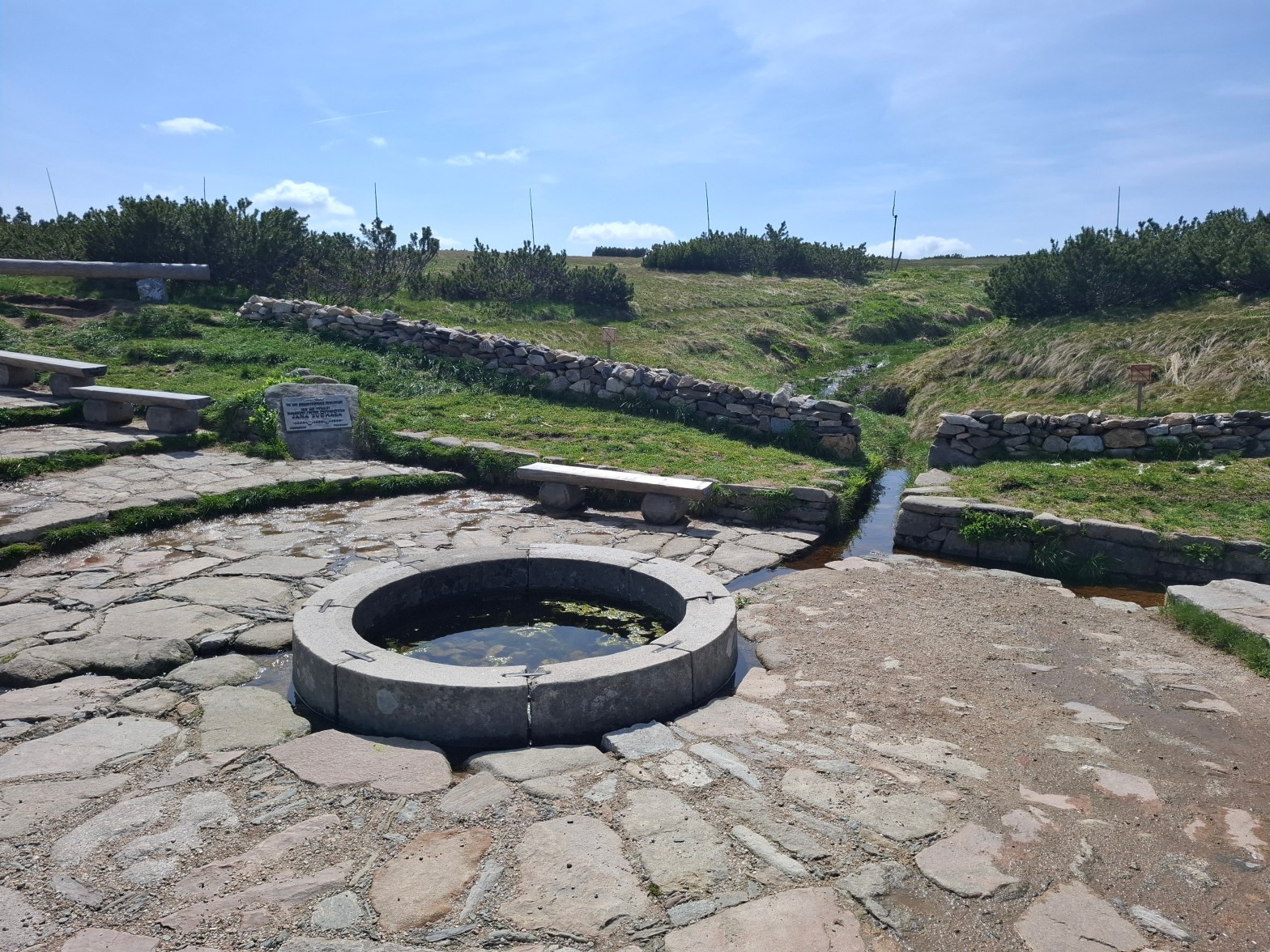
High up in the Giant Mountains (Krkonoše), in the north of the Czech Republic, one of Europe’s mightiest rivers bubbles into life as a bit of soggy bog. This river is the Elbe, which rises on the southern slopes of Mount Violík, and soon picks up speed by crashing over and down the Elbe Falls,Continue reading “The Liquid of the Elbe”
Oneteen, twoteen? The origins of ‘eleven’ and ‘twelve’
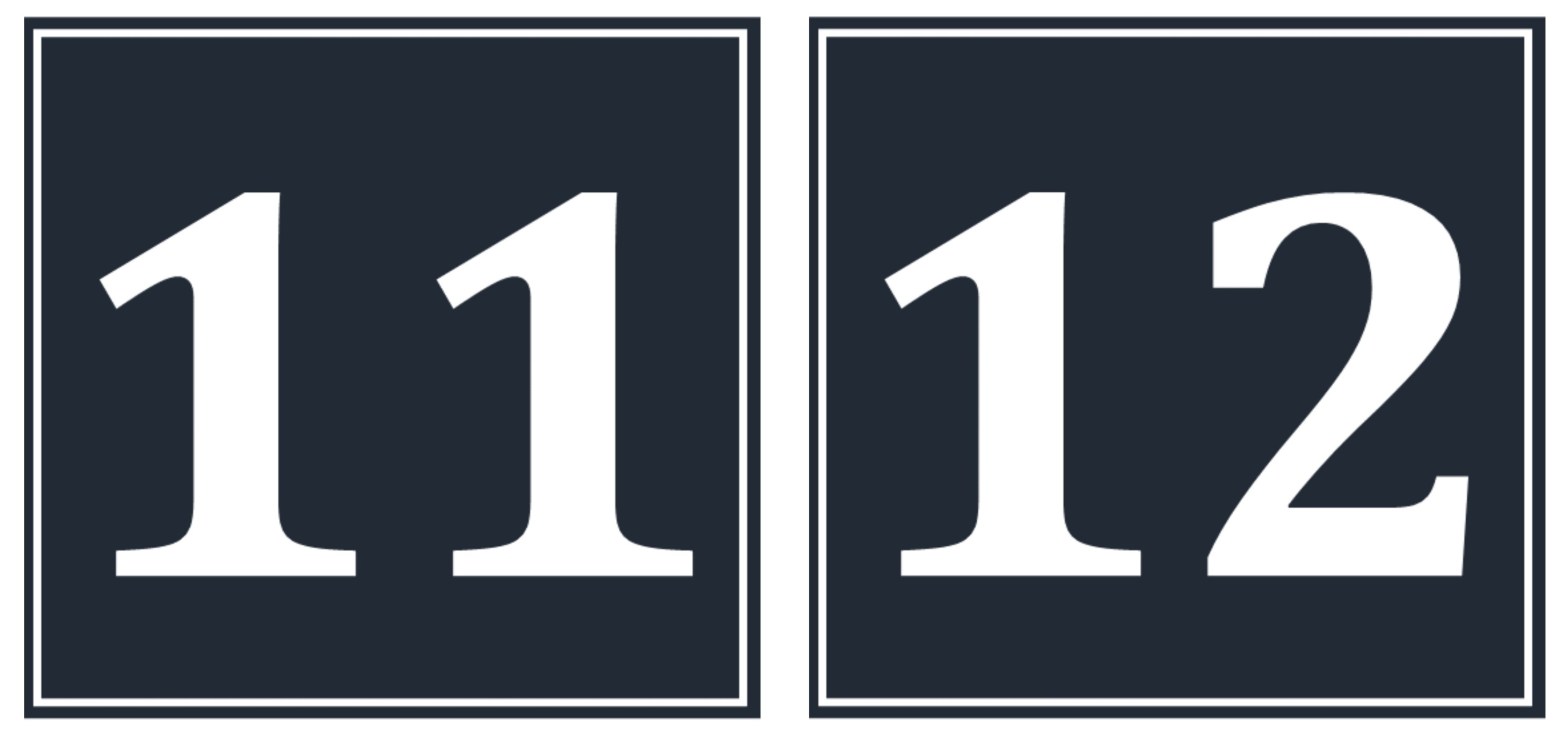
Reading time: 5 minutes November, at time of writing, is ticking out its final few hours, and with them, the eleventh month of 2024 is giving way to the twelfth. Aside from the awkward mismatch in the months’ etymology (November and December were originally the ninth and tenth months in the Roman calendar), the numbersContinue reading “Oneteen, twoteen? The origins of ‘eleven’ and ‘twelve’”
Verba Bohemica: The Oldest Latin Words in Czech

Reading time: 5-10 minutes For this month, I’d like to revisit two languages very close to my heart: Latin and Czech. Besides English, they’re the two languages I tend to spend the most time with. Specifically, this is a simple post about how the former has historically affected the latter. As a European language, it’sContinue reading “Verba Bohemica: The Oldest Latin Words in Czech”
The Path of ‘Path’

Reading time: 5-10 minutes For this month, I’d like to shine an etymological spotlight on a humble bit of English vocabulary, which, at first glance, you wouldn’t give a second thought. As this post’s title implies, the everyday word in question is path. What, I hear you cry, is so special about path? It’s aContinue reading “The Path of ‘Path’”
Is This [Is] An English Question?

Reading time: 10 minutes For this November’s post, I’d like to shine a syntactic spotlight on an unusual feature of English word order. While you might not know it from my online offerings, I am first and foremost a syntactician: words are fascinating, but it’s how we arrange them together that interests me most. TheContinue reading “Is This [Is] An English Question?”
Five Antiquities of English

Reading time: 10-15 minutes To listen along in an audio format, just click here: IT’S WELL KNOWN that English has undergone many significant changes down the centuries. Events like the Norman Conquest have drastically altered the shape of the language, influencing words and sounds so much that a new kind of English was born. YetContinue reading “Five Antiquities of English”
Of Mouses and Mans? — The Origins of English’s Vowel-Swapping Nouns and Verbs

Introduction: Nouns, Verbs and Variable Vowels In present-day English, the plural of mouse is usually mice, and one man plus another equals two men. While most English nouns are made plural simply by adding -s, making one cat into multiple cats, there is a sizeable minority that become plural through the process that we seeContinue reading “Of Mouses and Mans? — The Origins of English’s Vowel-Swapping Nouns and Verbs”
 Danny L. Bate