
Reading time: 10 minutes Ho ho ho! A joyful Yuletide to you, language lover! Now here’s something new for the blog: my offering for this December and for Christmas 2021 is an etymological round — a journey of linguistic connections that begins and starts with the same word. This is not my original idea, IContinue reading “Rockin’ Around Etymology”
Category Archives: Etymology
You Know More Than You Think About: The Wanderer

Last month, I offered the Internet an article about the Old English poem Beowulf and how familiar, despite its antiquity, its language can become with a little linguistic guidance. I’d say the article and the idea behind it were received quite well – so, here we go again, with the same format and another OldContinue reading “You Know More Than You Think About: The Wanderer”
The High German Consonant Shift and How to Use It

If you already know English and are in the process of learning German, you may be struck by how similar words in the two languages can be. It can surprise novices that English sentences like ‘I have two cats and six books‘ or ‘it drinks water‘ are so close to their German counterparts ‘ich habeContinue reading “The High German Consonant Shift and How to Use It”
From English to Greek in Two Rules

Reading time: 10 minutes (Note: as usual, letters between /slashes/ refer to sounds, following the IPA, while an *asterisk denotes a reconstructed, prehistoric word.) English and Ancient Greek are distantly related languages that descend from a common ancestor – consequently, if you’re trying to learn one and already know the other, you can use theseContinue reading “From English to Greek in Two Rules”
The Un-mouthing of Sounds
This post is a brief introduction to the process of debuccalization, a sound change with the power to dispel confusion in various languages of Europe and beyond. With the help of some concrete examples taken from three languages, this is a concept that I believe might come in rather handy for language learners. As isContinue reading “The Un-mouthing of Sounds”
Walloons, Wales and Cornish Walnuts: The Wonderful Word World of *walha-
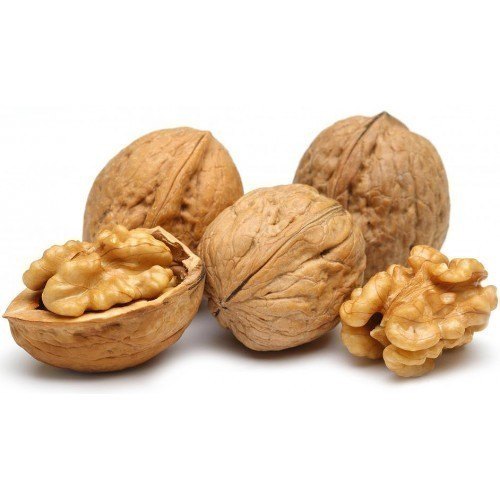
This article is an adaptation of one first written for the brilliant interdisciplinary magazine Porridge, which you can find out more about at porridgemagazine.com. Note that an asterisk * is used for historically undocumented and therefore hypothetical words. I’d like to tell you the tale of a headlong tumble down a rabbit hole of etymologyContinue reading “Walloons, Wales and Cornish Walnuts: The Wonderful Word World of *walha-“
The Economic Sandwiches of York
The Adventures of Proto-Indo-European *weiḱ- What links sandwiches to Vikings, and York to Czech villages? Why, etymology of course! One reconstructed Proto-Indo-European word has enjoyed enormous success in its subsequent, post-PIE life, in part thanks to its useful meaning, in part to the prestige of the languages that inherited it. This word is *weiḱ– andContinue reading “The Economic Sandwiches of York”
 Danny L. Bate