There’s a certain air of femininity around the letter A. For one reason, it brings a great number of modern female first names to a close. A sample of famous names, especially if skewed towards the West, will typically include a fair few examples. Among the female winners of a Nobel Prize, we find Claudia, Bertha,Continue reading “Monica, Erica, Rita, Tina: Why do so many women’s names end in A?”
Category Archives: English
A Love that Lasts Six Thousand Years
“… Love is not love Which alters when it alteration finds, Or bends with the remover to remove. O no! it is an ever-fixed mark That looks on tempests and is never shaken.” (William Shakespeare, Sonnet 116) February 14th has come round again, and love is in the air! ‘It was different in my day,’Continue reading “A Love that Lasts Six Thousand Years”
Cool Etymology: Chilled Jelly and Cold Gelato

In previous years, I’ve seized on the annual holiday of Christmas as inspiration for a December article. For this year, though, I fancy a foray into the weather conditions associated with that holiday: that is, the cold. Christmas imagery is inseparable from low temperatures, what with all its snow, reindeer, and jolly gentlemen in fur-linedContinue reading “Cool Etymology: Chilled Jelly and Cold Gelato”
A Voice for the Voiceless: English’s Lost Consonants
In September this year, Catherine Clarke, professor at the Institute of Historical Research, published A History of England in 25 Poems. This chronological hike through England’s history via verses that its people have left behind was released to great acclaim – and no wonder, when the book manages to be comfortable and accessible, yet alsoContinue reading “A Voice for the Voiceless: English’s Lost Consonants”
The Silence of the Letters

This post was inspired by communication between me and James McConnachie, who recently and kindly reviewed my book, Why Q Needs U, for the most recent edition of The Sunday Times. The review, which can be found online here, was joyous in its wide selection of facts and features of spelling that James enjoyed. It concludes with aContinue reading “The Silence of the Letters”
‘Why Q Needs U’ cover reveal!

Friends, linguists, beloved subscribers, lend me your eyes! My new book Why Q Needs U has a cover. Now, you shouldn’t judge a book by its cover, but you can judge a cover, and this one is looking good. This reveal also comes with a limited-time discount… A lot of thought and emails have goneContinue reading “‘Why Q Needs U’ cover reveal!”
The Most Serene Etymology: English’s Venetian Vocabulary

Freshly disembarked from lagoon-voyaging vaporettos, I now find myself left with only fond memories of two recent days in Venice and on its nearby islands. Venice is a city to which the description of ‘unique’ at last seems fair, and somewhere that is easy to become obsessed with. Its amphibious lifestyle, where waves, not pavements,Continue reading “The Most Serene Etymology: English’s Venetian Vocabulary”
A CHRISTMAS Full of Etymology

Reading time: 5 minutes It’s December now, the month when the calendar helpfully provides me with a topic for the monthly article. So, here’s a short and sweet linguistic post with a festive theme: nine Christmas-related words that I think have interesting etymologies, one for each of the nine letters of the word Christmas. IContinue reading “A CHRISTMAS Full of Etymology”
Oneteen, twoteen? The origins of ‘eleven’ and ‘twelve’
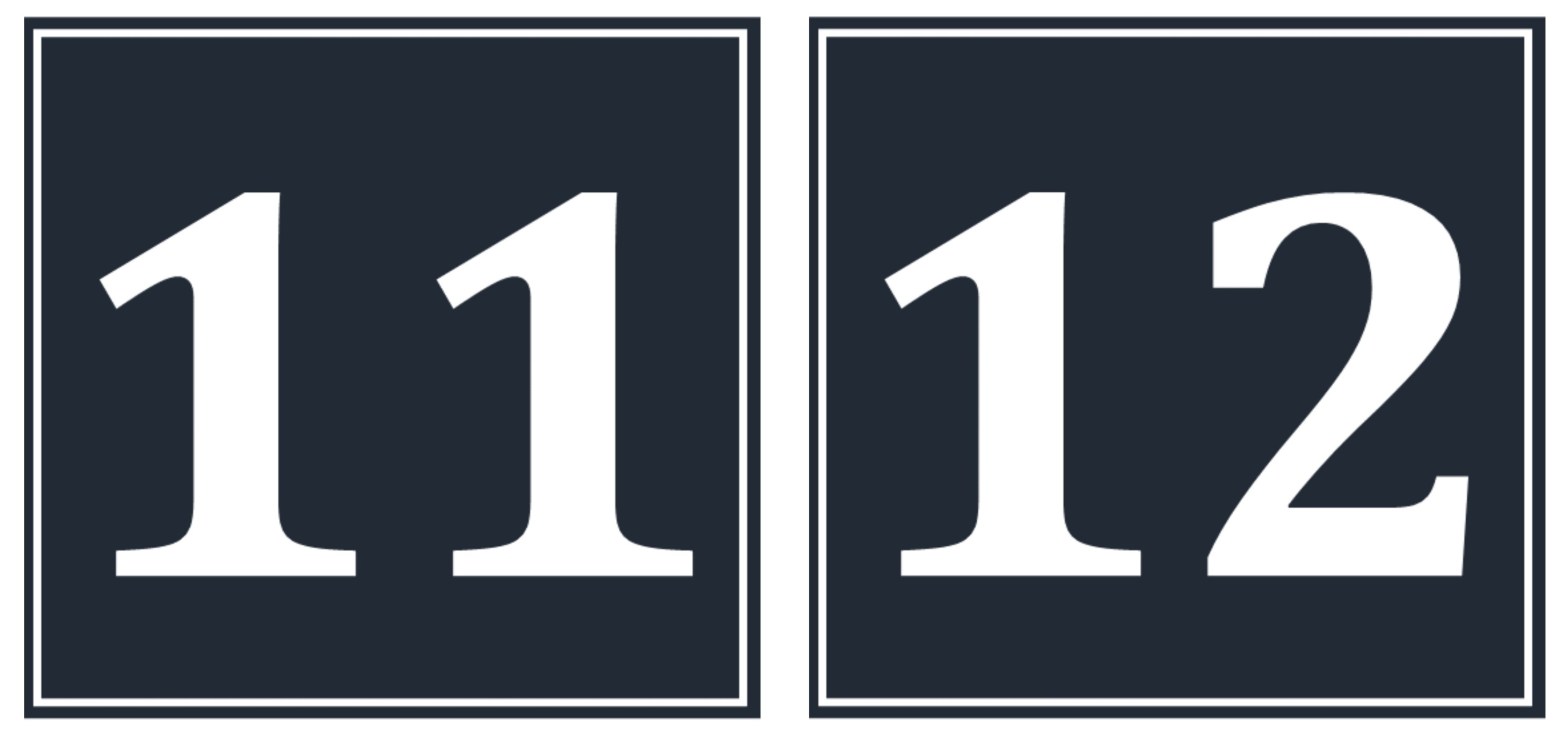
Reading time: 5 minutes November, at time of writing, is ticking out its final few hours, and with them, the eleventh month of 2024 is giving way to the twelfth. Aside from the awkward mismatch in the months’ etymology (November and December were originally the ninth and tenth months in the Roman calendar), the numbersContinue reading “Oneteen, twoteen? The origins of ‘eleven’ and ‘twelve’”
Verba Bohemica: The Oldest Latin Words in Czech

Reading time: 5-10 minutes For this month, I’d like to revisit two languages very close to my heart: Latin and Czech. Besides English, they’re the two languages I tend to spend the most time with. Specifically, this is a simple post about how the former has historically affected the latter. As a European language, it’sContinue reading “Verba Bohemica: The Oldest Latin Words in Czech”
 Danny L. Bate