
Reading time: 5 minutes As an etymological Christmas gift from me for 2023, here’s a quick dive into the story and connections of one festive word: the humble Christmas tree. Now, Modern English tree goes back to Old English trēow, which could mean a specific tree or the substance of wood. … Ġeseah iċ wuldres trēow,wǣdum ġeweorðode, wynnum sċīnan,ġeġyred mid golde; ġimmas hæfdonbewriġene weorðlīċeContinue reading “Christmas Trees and Etymologies”
Tag Archives: old english
Five Antiquities of English

Reading time: 10-15 minutes To listen along in an audio format, just click here: IT’S WELL KNOWN that English has undergone many significant changes down the centuries. Events like the Norman Conquest have drastically altered the shape of the language, influencing words and sounds so much that a new kind of English was born. YetContinue reading “Five Antiquities of English”
Holy Linguists! Part II: Cyril and Methodius, Ælfric of Eynsham, Hildegard of Bingen

Reading time: 15-20 minutes So, continuing on a theme that nobody asked for but I love, here is the second part of my Holy Linguists! series of blog posts. Part I looked at three holy heavyweights from the Mediterranean world in the late antique era: Gregory of Nyssa, Jerome and Augustine. This month’s blog postContinue reading “Holy Linguists! Part II: Cyril and Methodius, Ælfric of Eynsham, Hildegard of Bingen”
Of Mouses and Mans? — The Origins of English’s Vowel-Swapping Nouns and Verbs

Introduction: Nouns, Verbs and Variable Vowels In present-day English, the plural of mouse is usually mice, and one man plus another equals two men. While most English nouns are made plural simply by adding -s, making one cat into multiple cats, there is a sizeable minority that become plural through the process that we seeContinue reading “Of Mouses and Mans? — The Origins of English’s Vowel-Swapping Nouns and Verbs”
You Know More Than You Think About: The Wanderer

Last month, I offered the Internet an article about the Old English poem Beowulf and how familiar, despite its antiquity, its language can become with a little linguistic guidance. I’d say the article and the idea behind it were received quite well – so, here we go again, with the same format and another OldContinue reading “You Know More Than You Think About: The Wanderer”
From English to Greek in Two Rules

Reading time: 10 minutes (Note: as usual, letters between /slashes/ refer to sounds, following the IPA, while an *asterisk denotes a reconstructed, prehistoric word.) English and Ancient Greek are distantly related languages that descend from a common ancestor – consequently, if you’re trying to learn one and already know the other, you can use theseContinue reading “From English to Greek in Two Rules”
Walloons, Wales and Cornish Walnuts: The Wonderful Word World of *walha-
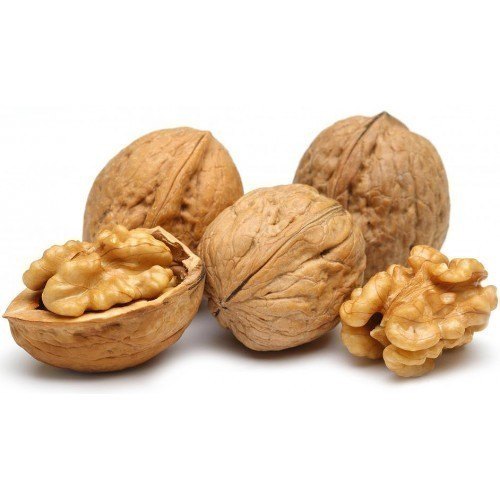
This article is an adaptation of one first written for the brilliant interdisciplinary magazine Porridge, which you can find out more about at porridgemagazine.com. Note that an asterisk * is used for historically undocumented and therefore hypothetical words. I’d like to tell you the tale of a headlong tumble down a rabbit hole of etymologyContinue reading “Walloons, Wales and Cornish Walnuts: The Wonderful Word World of *walha-“
 Danny L. Bate