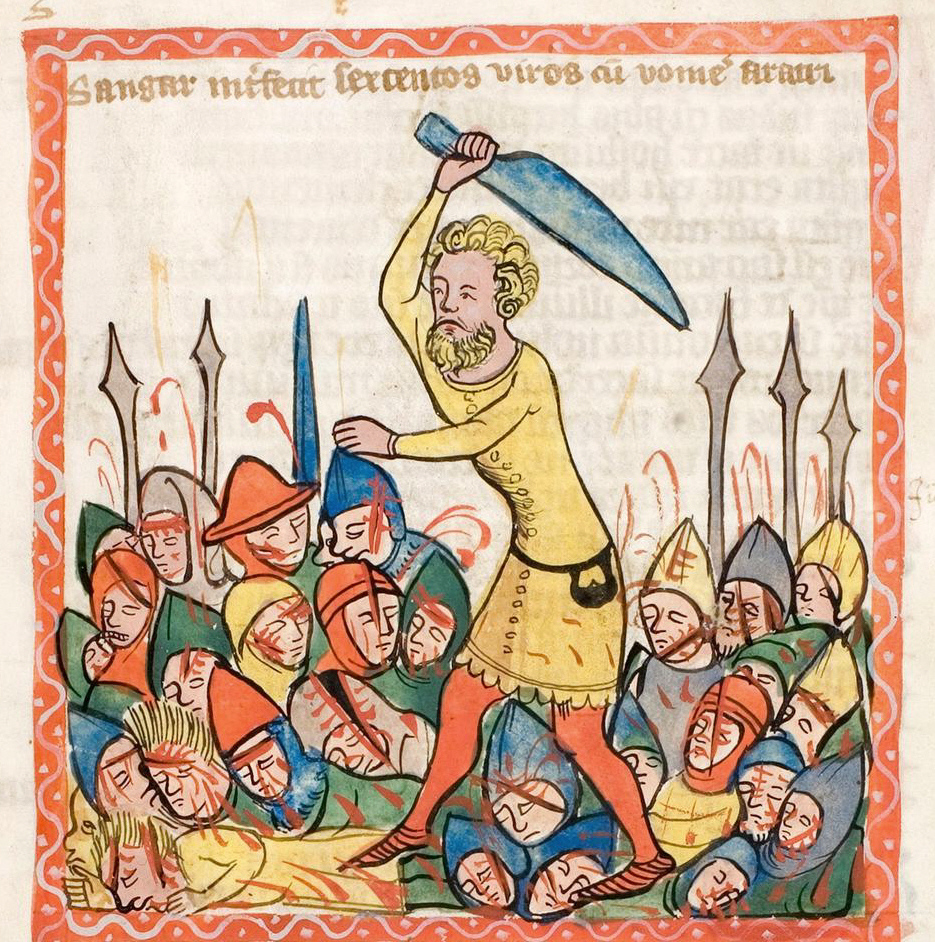
The Bible can make for a gruesome read. An effortless observation (which has led to much reasonable criticism) is that, for a collection of texts which many people take as foundational for life, it contains a lot of violent death. This can be of a single named individual or of an uncountable number of namelessContinue reading “Fatal Pronunciation: The Shibboleth Story”
Tag Archives: Etymology
Vltava, Sázava, Mumlava: A Mumble of Voices Almost Lost
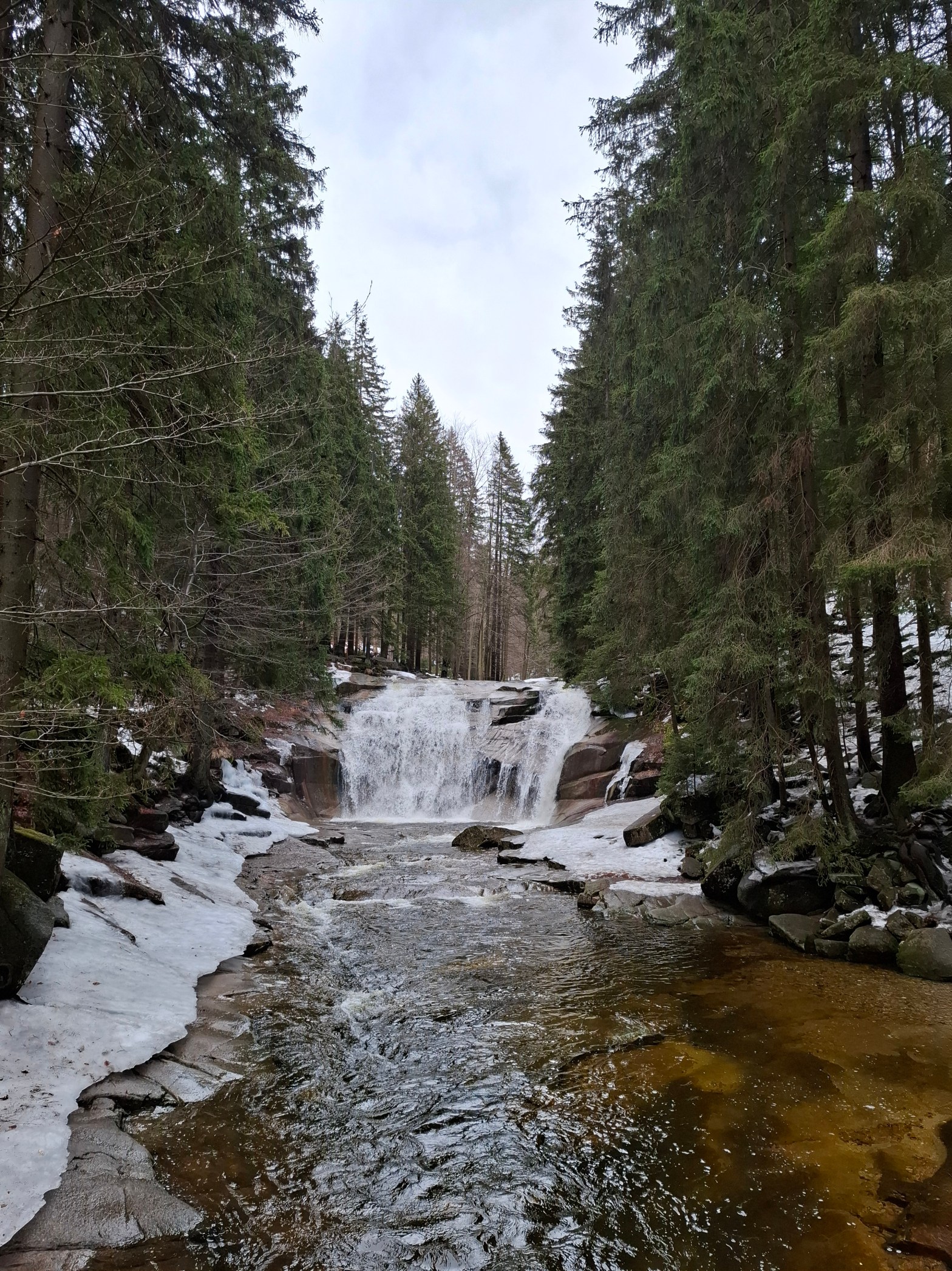
Local rivers, specifically just one bit of them, have had me reflecting on lost language and the flow of time again. No one will be surprised by this. I recently descended from the heights of an enjoyable weekend in Krkonoše, a very hilly national park in the Czech Republic. Tucked up between two angles ofContinue reading “Vltava, Sázava, Mumlava: A Mumble of Voices Almost Lost”
A Love that Lasts Six Thousand Years
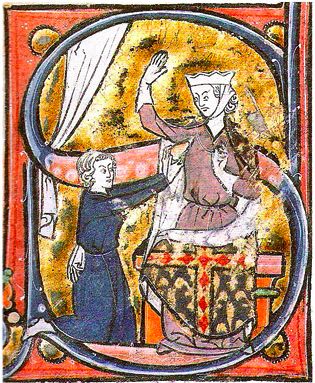
“… Love is not love Which alters when it alteration finds, Or bends with the remover to remove. O no! it is an ever-fixed mark That looks on tempests and is never shaken.” (William Shakespeare, Sonnet 116) February 14th has come round again, and love is in the air! ‘It was different in my day,’Continue reading “A Love that Lasts Six Thousand Years”
Cool Etymology: Chilled Jelly and Cold Gelato

In previous years, I’ve seized on the annual holiday of Christmas as inspiration for a December article. For this year, though, I fancy a foray into the weather conditions associated with that holiday: that is, the cold. Christmas imagery is inseparable from low temperatures, what with all its snow, reindeer, and jolly gentlemen in fur-linedContinue reading “Cool Etymology: Chilled Jelly and Cold Gelato”
Reflections of Trieste

Like an insufferable fin-de-siècle socialite, I’m writing this on my honeymoon, a three-stop holiday that naturally never once ventures outside the old borders of the Austrian Empire.¹ As any self-respecting new husband should, it’s giving me the time to reflect on the two dearest things in life: a beautiful wife, and language history. No otherContinue reading “Reflections of Trieste”
You Know More Finnish Than You Think

Linguistics illuminates the linguistically obscure – or so I’ve always thought. It’s a common theme of my online output that a little bit of historical linguistics goes a long way, making helpful connections and breaking down psychological barriers. This theme was present in two old posts of mine that used etymology to elucidate two OldContinue reading “You Know More Finnish Than You Think”
The Most Serene Etymology: English’s Venetian Vocabulary

Freshly disembarked from lagoon-voyaging vaporettos, I now find myself left with only fond memories of two recent days in Venice and on its nearby islands. Venice is a city to which the description of ‘unique’ at last seems fair, and somewhere that is easy to become obsessed with. Its amphibious lifestyle, where waves, not pavements,Continue reading “The Most Serene Etymology: English’s Venetian Vocabulary”
Introducing: My Czech Word of the Week!

Another linguistic newsflash from me – yes, I know, two newsflashes in two days, but I have been keeping busy. As a reward for good behaviour in my current job at Radio Prague International, I have been allowed my own mini series all about etymology. Entitled Word of the Week, each instalment takes a lookContinue reading “Introducing: My Czech Word of the Week!”
A CHRISTMAS Full of Etymology
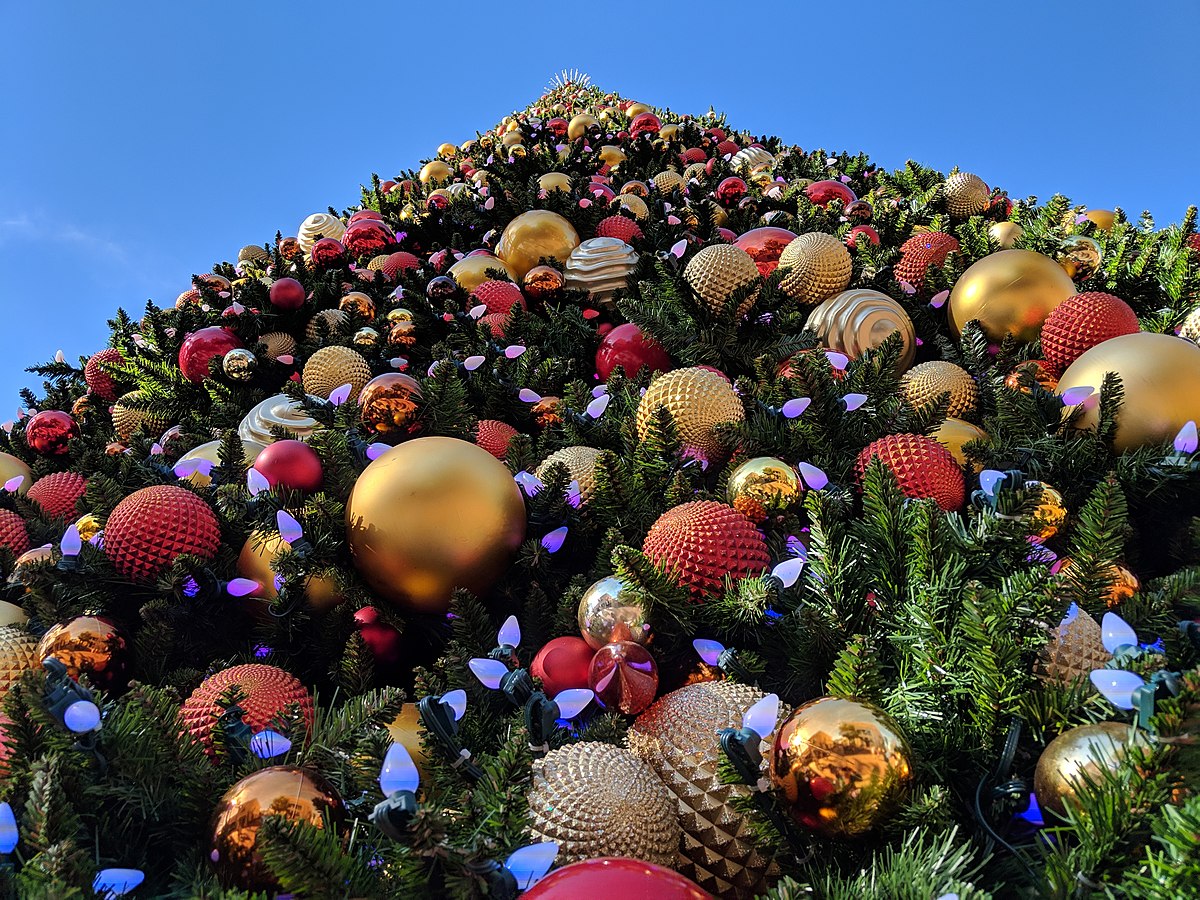
Reading time: 5 minutes It’s December now, the month when the calendar helpfully provides me with a topic for the monthly article. So, here’s a short and sweet linguistic post with a festive theme: nine Christmas-related words that I think have interesting etymologies, one for each of the nine letters of the word Christmas. IContinue reading “A CHRISTMAS Full of Etymology”
Oneteen, twoteen? The origins of ‘eleven’ and ‘twelve’
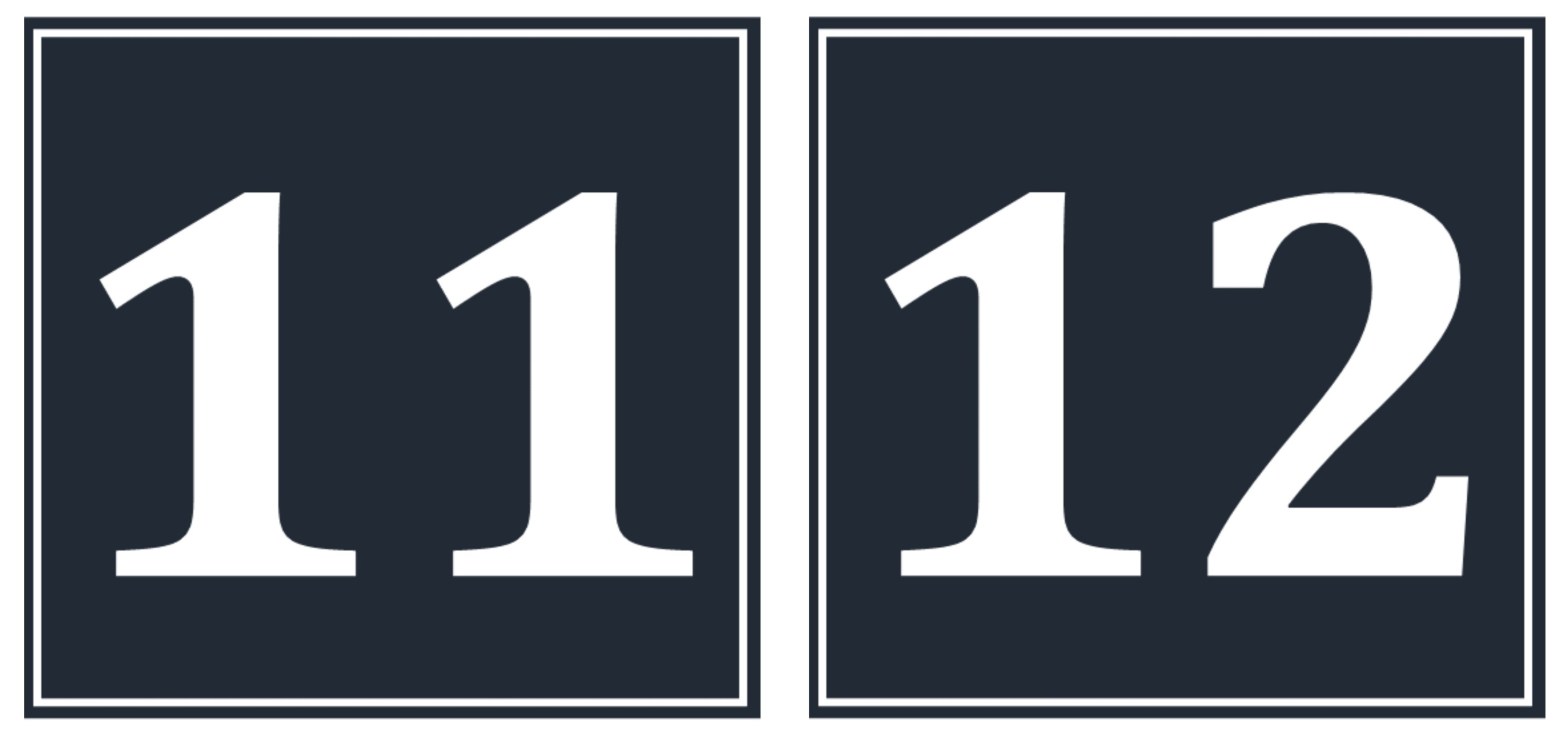
Reading time: 5 minutes November, at time of writing, is ticking out its final few hours, and with them, the eleventh month of 2024 is giving way to the twelfth. Aside from the awkward mismatch in the months’ etymology (November and December were originally the ninth and tenth months in the Roman calendar), the numbersContinue reading “Oneteen, twoteen? The origins of ‘eleven’ and ‘twelve’”
 Danny L. Bate