English
-
You Know More Than You Think About: Beowulf
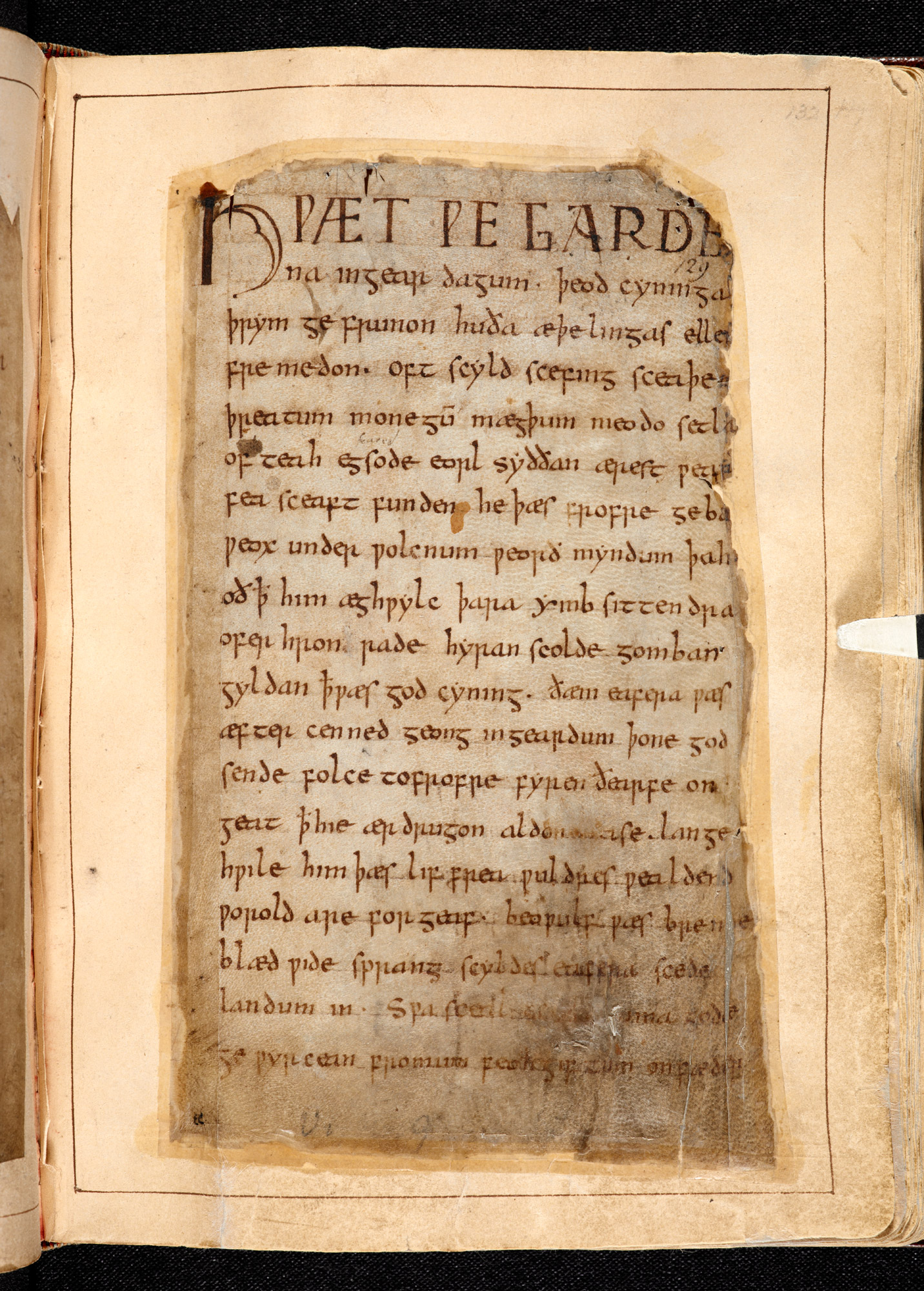
As a living soul of the twenty-first century, if you take a glance at the opening lines of Beowulf, the Old English poem, the chances are that you won’t be able to understand it. If anything, you may perhaps recognise its famous first word, hƿæt. This is absolutely fine, I should add; Old English is… Continue reading
-
From English to Greek in Two Rules
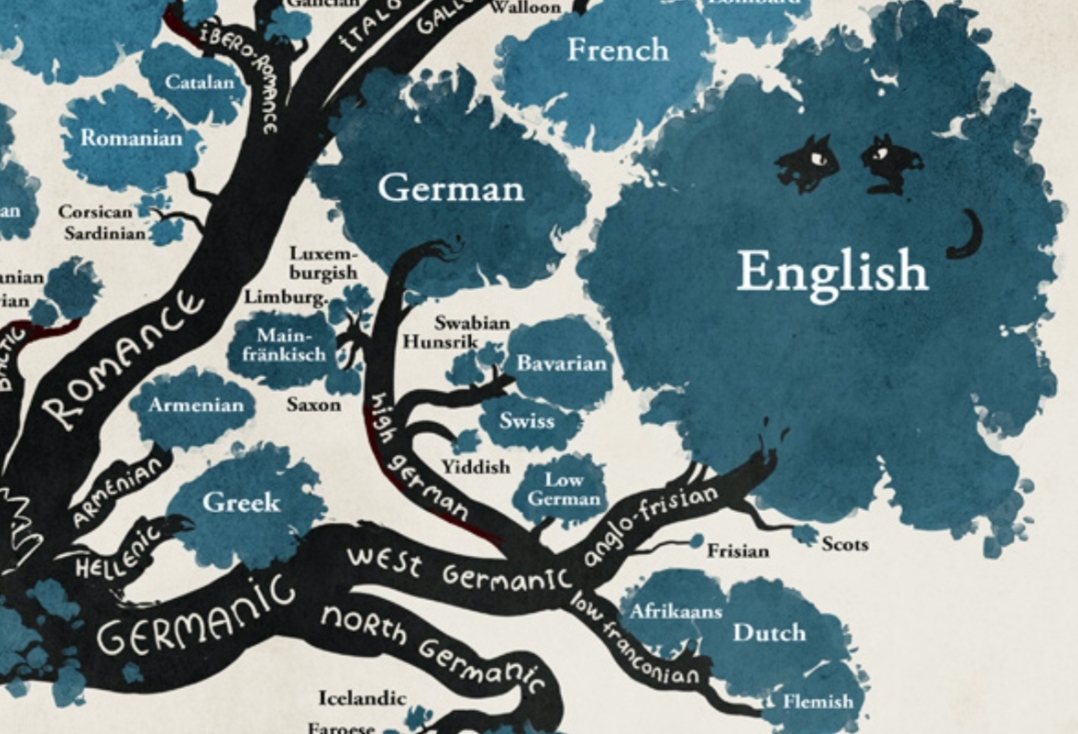
Reading time: 10 minutes (Note: as usual, letters between /slashes/ refer to sounds, following the IPA, while an *asterisk denotes a reconstructed, prehistoric word.) English and Ancient Greek are distantly related languages that descend from a common ancestor – consequently, if you’re trying to learn one and already know the other, you can use these… Continue reading
-
La Joie de Joret
A Quick Guide to the Joret Line What is the Joret line? And why should I care about it? So, to begin, a definition: isogloss noun /ˈaɪsəɡlɒs/ /ˈaɪsəɡlɑːs/ (linguistics)a line on a map that separates places where a particular feature of a language is different The Oxford Advanced Learner’s Dictionary Named after the French historian and linguist… Continue reading