Etymology
-
From English to Greek in Two Rules
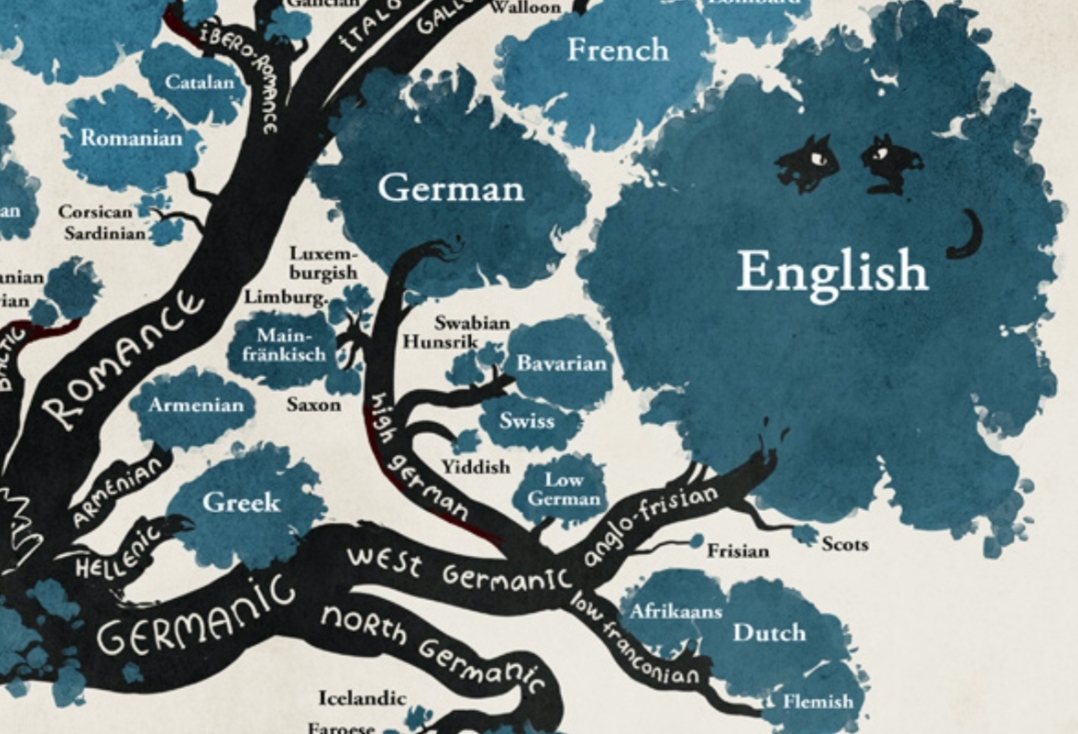
Reading time: 10 minutes (Note: as usual, letters between /slashes/ refer to sounds, following the IPA, while an *asterisk denotes a reconstructed, prehistoric word.) English and Ancient Greek are distantly related languages that descend from a common ancestor – consequently, if you’re trying to learn one and already know the other, you can use these… Continue reading
-
The Un-mouthing of Sounds
This post is a brief introduction to the process of debuccalization, a sound change with the power to dispel confusion in various languages of Europe and beyond. With the help of some concrete examples taken from three languages, this is a concept that I believe might come in rather handy for language learners. As is… Continue reading
-
Walloons, Wales and Cornish Walnuts

The Wonderful Word World of *walha- This article is an adaptation of one first written for the brilliant interdisciplinary magazine Porridge, which you can find out more about at porridgemagazine.com. Note that an asterisk * is used for historically undocumented and therefore hypothetical words. I’d like to tell you the tale of a headlong tumble… Continue reading