
This post was inspired by communication between me and James McConnachie, who recently and kindly reviewed my book, Why Q Needs U, for the most recent edition of The Sunday Times. The review, which can be found online here, was joyous in its wide selection of facts and features of spelling that James enjoyed. It concludes with aContinue reading “The Silence of the Letters”
Author Archives: dannylbate
‘Why Q Needs U’ – Out Today!
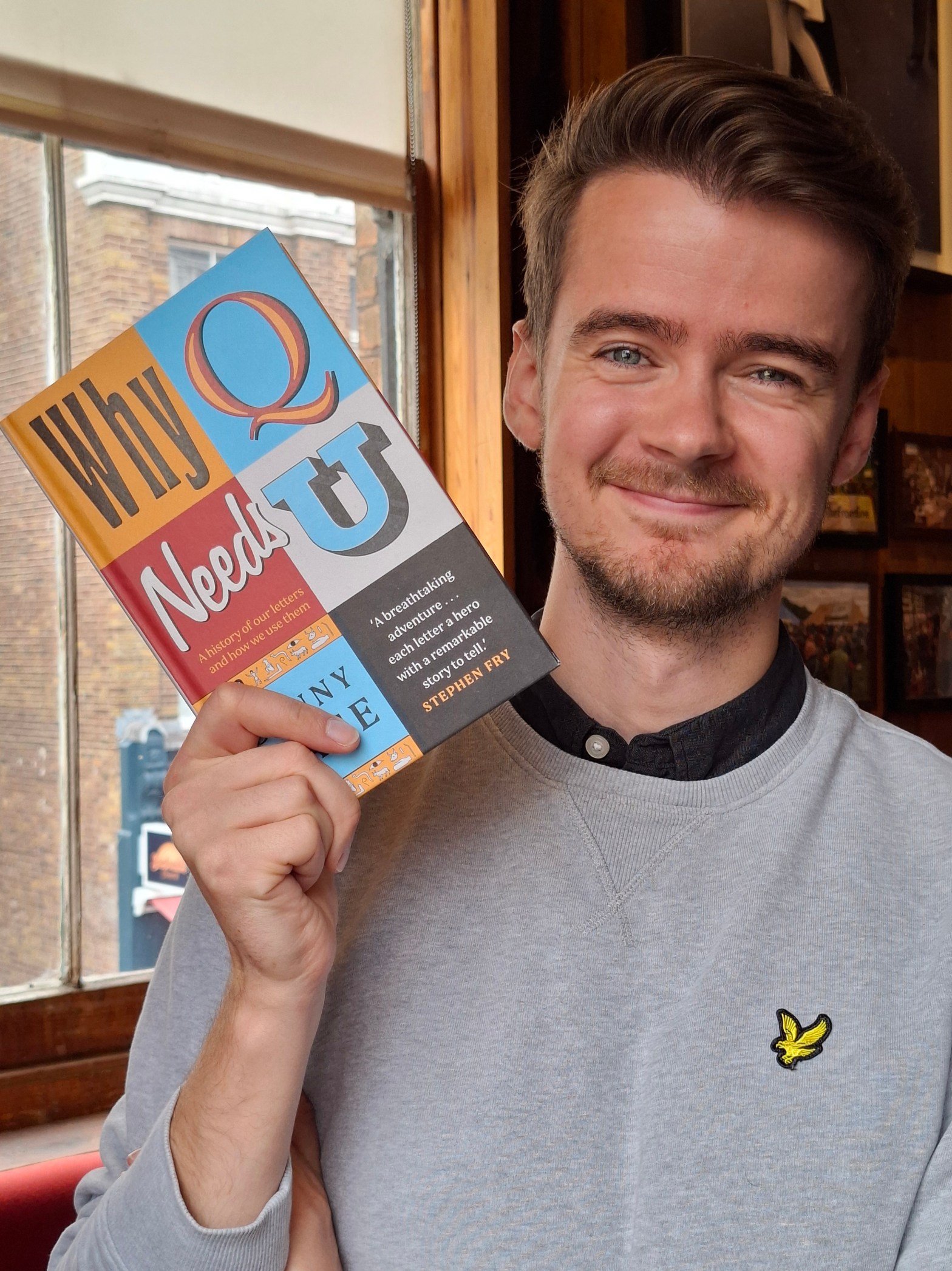
The long-awaited day (awaited by me at least) is here, as October 2nd is the publication day of my new book Why Q Needs U: A history of our letters and how we use them! Find it here: https://geni.us/WhyQNeedsU Published in the UK by Blink/Bonnier, it’s now available to find in British bookshops – asContinue reading “‘Why Q Needs U’ – Out Today!”
Reflections of Trieste

Like an insufferable fin-de-siècle socialite, I’m writing this on my honeymoon, a three-stop holiday that naturally never once ventures outside the old borders of the Austrian Empire.¹ As any self-respecting new husband should, it’s giving me the time to reflect on the two dearest things in life: a beautiful wife, and language history. No otherContinue reading “Reflections of Trieste”
You Know More Finnish Than You Think

Linguistics illuminates the linguistically obscure – or so I’ve always thought. It’s a common theme of my online output that a little bit of historical linguistics goes a long way, making helpful connections and breaking down psychological barriers. This theme was present in two old posts of mine that used etymology to elucidate two OldContinue reading “You Know More Finnish Than You Think”
‘Why Q Needs U’ cover reveal!

Friends, linguists, beloved subscribers, lend me your eyes! My new book Why Q Needs U has a cover. Now, you shouldn’t judge a book by its cover, but you can judge a cover, and this one is looking good. This reveal also comes with a limited-time discount… A lot of thought and emails have goneContinue reading “‘Why Q Needs U’ cover reveal!”
The Liquid of the Elbe
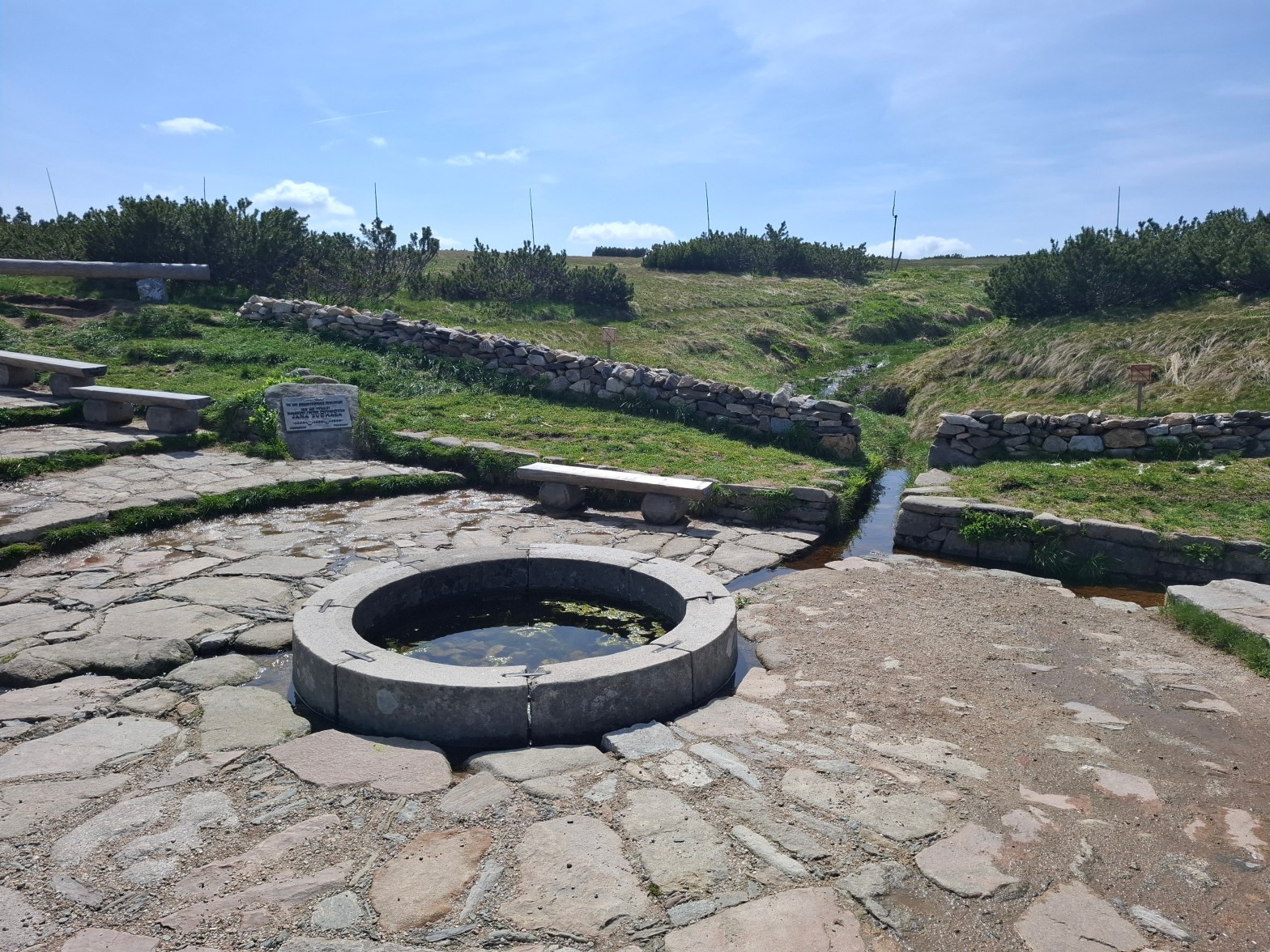
High up in the Giant Mountains (Krkonoše), in the north of the Czech Republic, one of Europe’s mightiest rivers bubbles into life as a bit of soggy bog. This river is the Elbe, which rises on the southern slopes of Mount Violík, and soon picks up speed by crashing over and down the Elbe Falls,Continue reading “The Liquid of the Elbe”
The Most Serene Etymology: English’s Venetian Vocabulary

Freshly disembarked from lagoon-voyaging vaporettos, I now find myself left with only fond memories of two recent days in Venice and on its nearby islands. Venice is a city to which the description of ‘unique’ at last seems fair, and somewhere that is easy to become obsessed with. Its amphibious lifestyle, where waves, not pavements,Continue reading “The Most Serene Etymology: English’s Venetian Vocabulary”
‘Why Q Needs U’: New book due for release in October!

At last, the cat has been let out of the bag: my first book, entitled Why Q Needs U, is due for publication at the start of October this year! The announcement appeared in The Bookseller yesterday, which shared a few details about the book and its bewildered author, and started the marketing countdown toContinue reading “‘Why Q Needs U’: New book due for release in October!”
Introducing: My Czech Word of the Week!

Another linguistic newsflash from me – yes, I know, two newsflashes in two days, but I have been keeping busy. As a reward for good behaviour in my current job at Radio Prague International, I have been allowed my own mini series all about etymology. Entitled Word of the Week, each instalment takes a lookContinue reading “Introducing: My Czech Word of the Week!”
‘A Language I Love Is…’ returns for Series 3!

A linguistic newsflash from me: My podcast, A Language I Love Is…, has started its third series! This is the podcast that’s all about languages, linguistics and love, which allows me to spend time chatting to linguistic experts and discussing particular languages in great depth. The episodes are freely available on major podcast platforms, suchContinue reading “‘A Language I Love Is…’ returns for Series 3!”
 Danny L. Bate