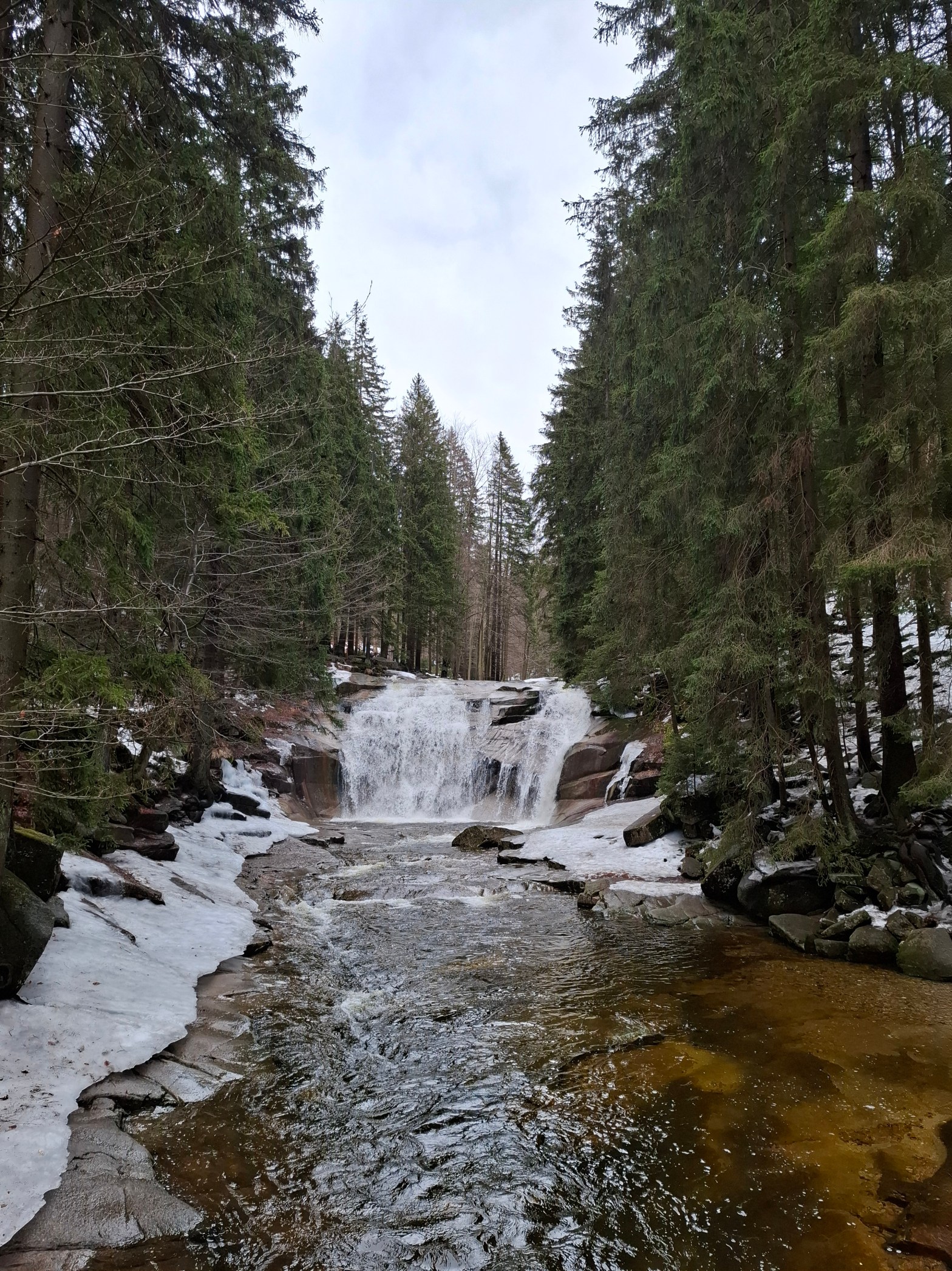
Local rivers, specifically just one bit of them, have had me reflecting on lost language and the flow of time again. No one will be surprised by this.
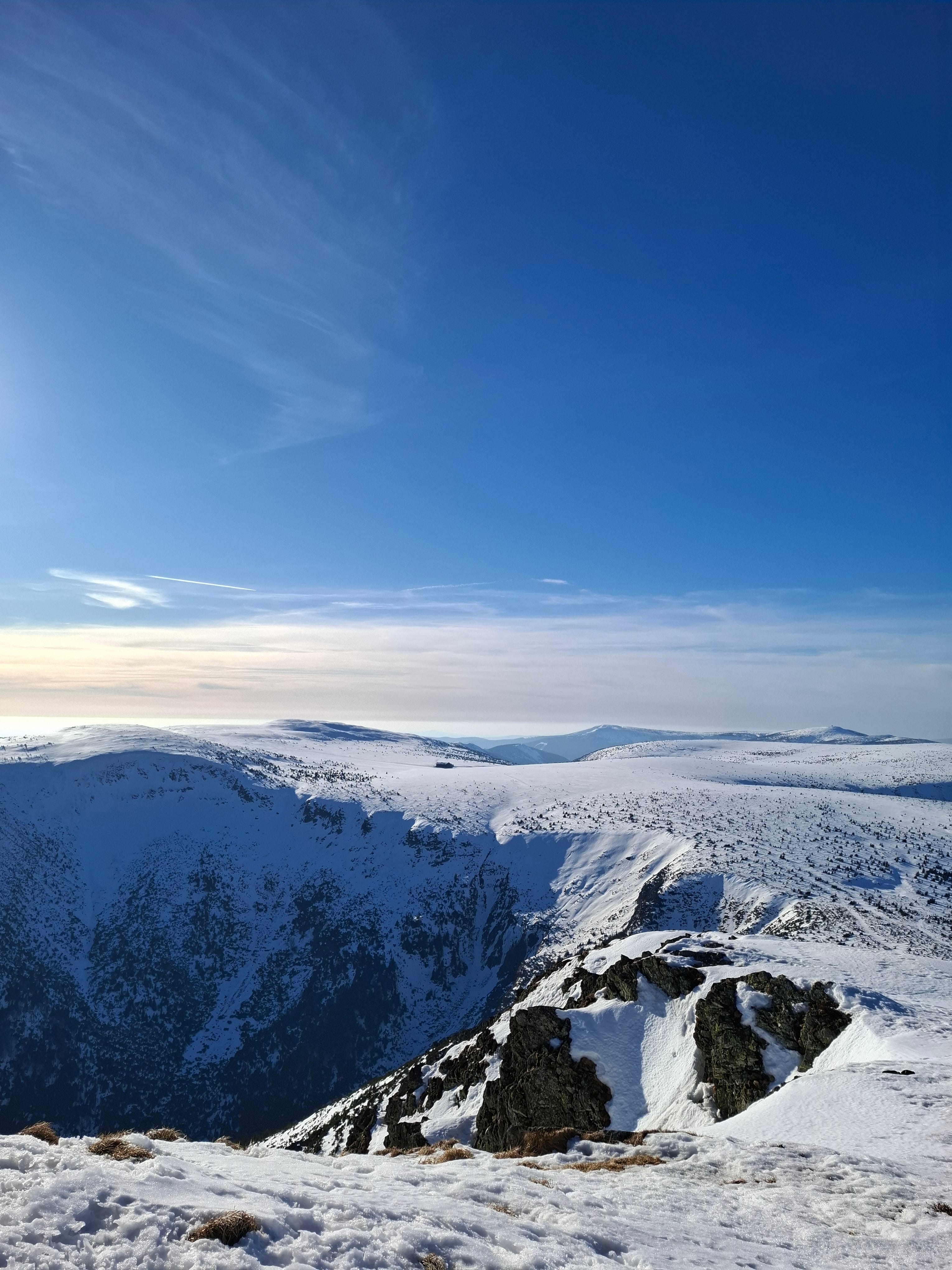
I recently descended from the heights of an enjoyable weekend in Krkonoše, a very hilly national park in the Czech Republic. Tucked up between two angles of the long border with Poland, Krkonoše is characterised by snow-begleamed peaks, and by spruced-up and fir-lined dark valleys in their shadow.
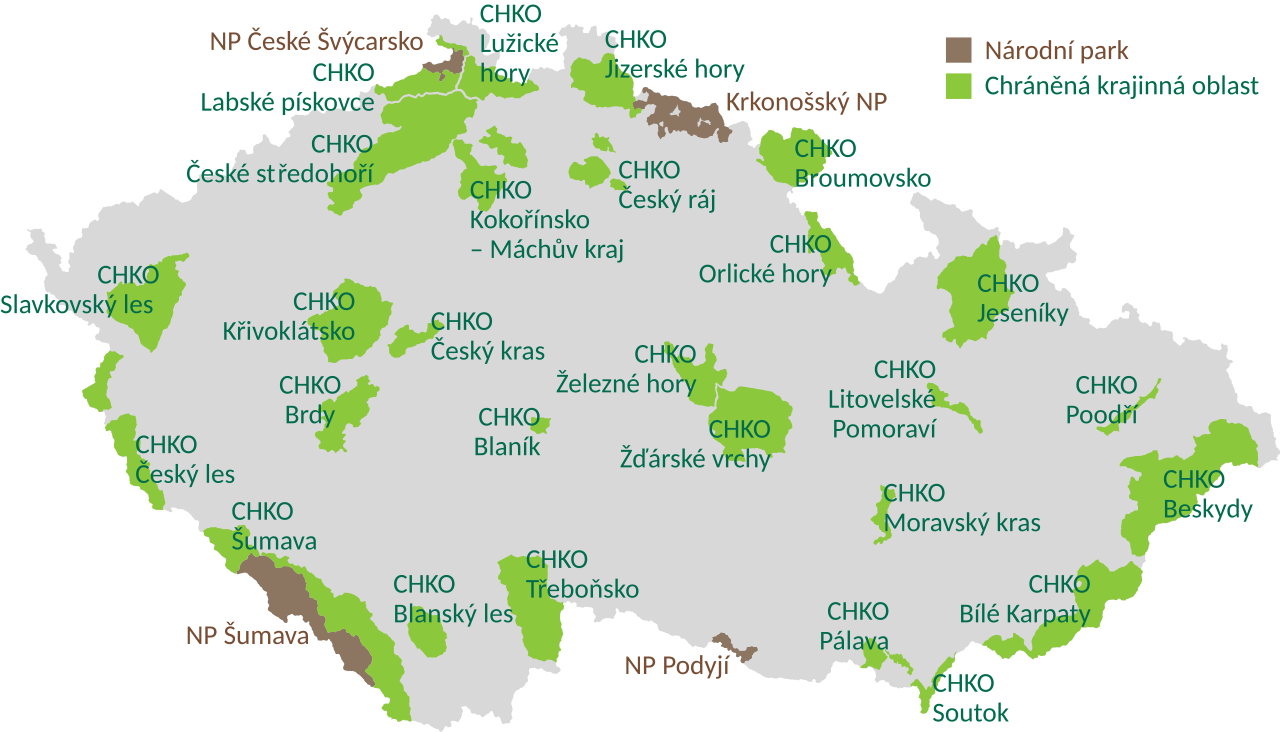
Such a contrasting blend of light and dark colours its history too; this region is now a magnet for swish skiers and rucksacked hikers, but barely hides the scars of its wartime experience.
The towns and villages of Krkonoše were overwhelmingly German in identity from the Middle Ages up to 1945/6. These Bohemian Germans’ ancestors had gone east to mine, cultivate and settle the uplands; the territories where they settled are known collectively as the Sudetenland. The defining population was expelled at the end of the Second World War, but fragments of their successful lives and non-Slavic language endure.
For me, arrival into Krkonoše is marked by the sight of giant factories and mansions for management, many of them now skeletal in dilapidation. I sense I’m crossing a fault-line not just within the country, but in Europe. Here the faded burned-yellow stone and plaster of Bohemian Baroque, the most northern bastion of Italy and Counter-reformation, gave way. It surrendered to the confident southward march of granite-grey industry, Prussian and Protestant. That overlapping wave in turn broke; now a torrent of tourism (but not much else) washes over it.
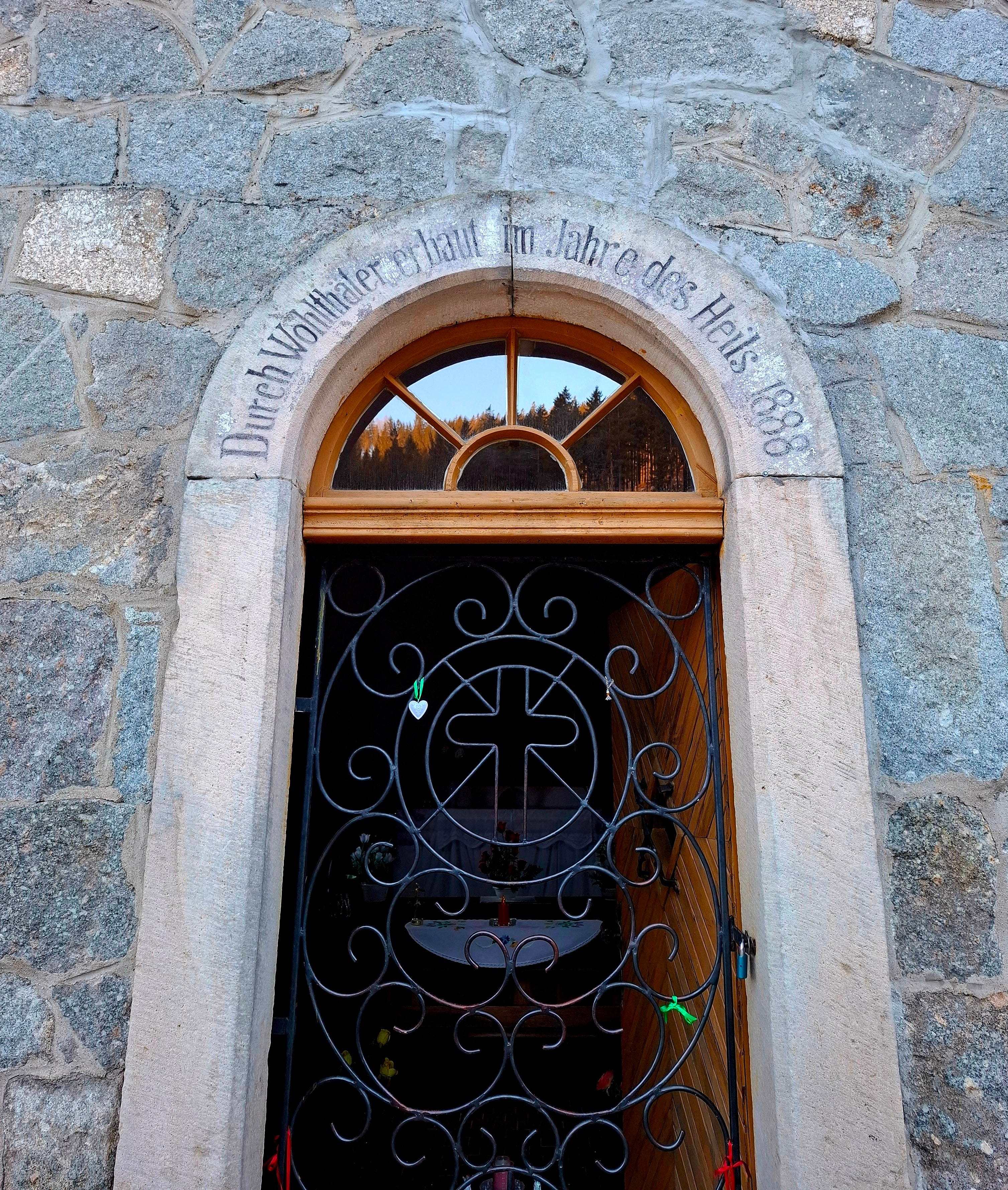
With such turbulence in its human geography, we might look for calm in the nature of Krkonoše – such as in its rivers. But no, these too bear witness to the maelstrom of history, albeit with slower currents.
The chief of the rivers that flow through Krkonoše is the Elbe; I’ve previously written about that prince of waterways in great detail. My most recent visit instead inspired linguistic reflections about a considerably less famous river: the Mumlava.
Etymologically, it’s the mumbler (in older German: mummeln; in Czech: mumlat). It by no means ranks among the great rivers of Europe; the Mumlava rises just to the south of the source of the Elbe, mumbles its way for twelve kilometres, then spills out into the Jizera. It wouldn’t be known at all beyond the wardens and fans of Krkonoše, were it not for the Mumlava Waterfall, the largest in the country. This theatre of crashing water is a popular destination, a breezy stroll from the town of Harrachov, although the winter-iced path down to it this time offered me a crash-course in luge.
Given the region’s historical inhabitants, it seems to have been on the basis of the German verb mummeln that the Mumlava was first christened the Mummel. Czech speakers then modelled their own name for it on that German original. This they achieved by adding the ending -ava.
This Czechification of the name brought the Mumlava into line and rhyme with other rivers in the country; there’s the Sázava, the Jihlava, the Úhlava, the Otava, the Oskava, the Opava, the Morava and the Vltava. Last weekend saw me hiking along the south bank of the first until it flows into the last, outside the small Bohemian town of Davle.
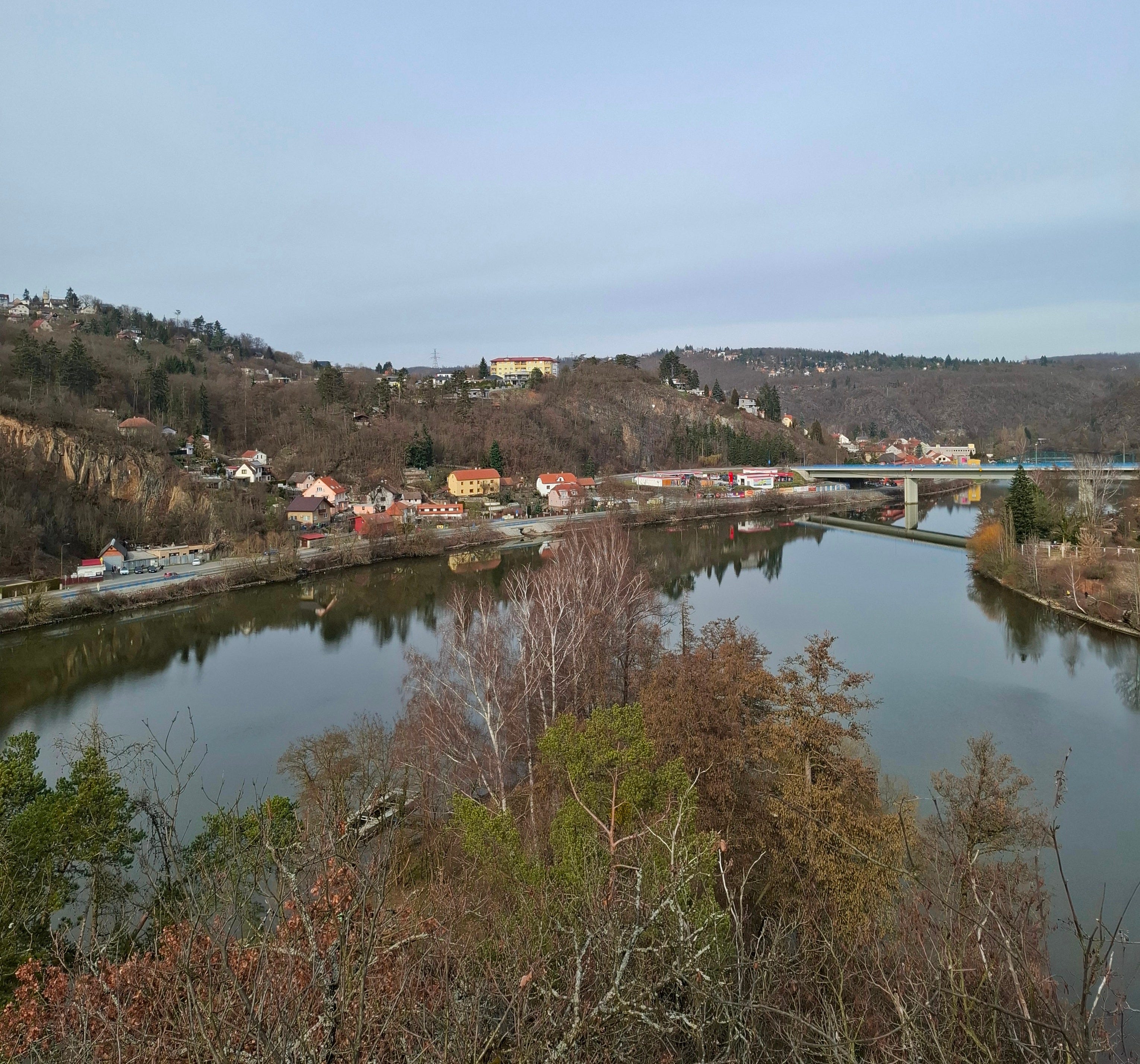
Their common -ava ending was bestowed on the Mumlava, a sort of hydronymic suffix to make it sound like a proper Czech river. The thing is, this ending is not part of Czech’s core of Slavic vocabulary – it’s not something the language has inherited from its prehistoric Slavic origins. Instead, naming rivers with -ava is a later practice that the Czechs-to-be extracted from names already in use when they first arrived in Bohemia and Moravia.
When that happened, probably in the 6th century AD, those lands were hardly blank canvases, devoid of inhabitants. Bohemia and Moravia had for centuries been home to Germanic-speaking groups, their language(s) being related to English, German and Dutch.
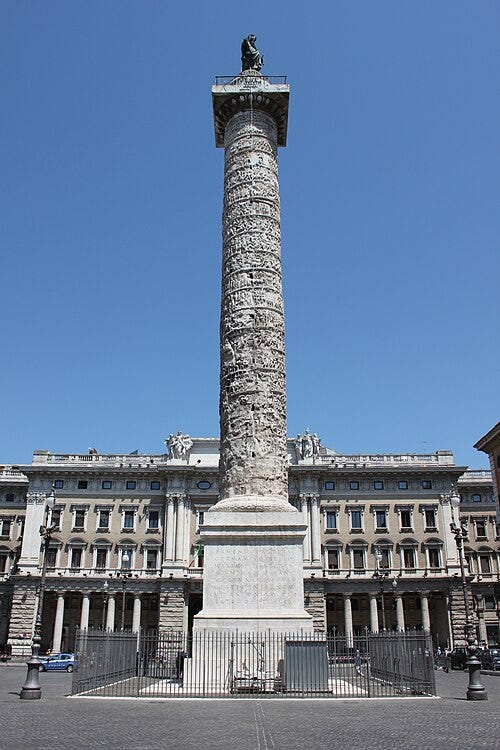
These people are more than abstract archaeology; they are a colourful presence in Latin and Greek sources from antiquity. One group, the Marcomanni, were the staunch enemies of the emperor Marcus Aurelius (121–180 AD). From their base in Bohemia and Moravia, their attacks on the Danube frontier diverted Roman resources and attention. If you’ve seen the 2000 film Gladiator, the Marcomanni are the fearless yet hopeless enemies in its initial battle.
The Germanic linguistic ingredient can still be found in the Czech lands. Despite the strength of the later Slavic wave, geographical terms attest to their predecessors. Bohemia, a term that English gets from Latin, was most likely coined to mean the ‘Boii-home’ originally. This etymology makes the –hem- of Bohemia a cognate of English home and German Heim.
Landmarks of the landscape maintain prehistoric language too. The Elbe is one river whose name predates the coming of the Czechs; another is the Vltava. This would’ve been the *Wilþ-ahwō to the Marcomanni – the wild river. Here’s another link to English: the Vlt- of Vltava to the adjective wild.
Meanwhile, the second bit, *ahwō (meaning ‘river’), is behind the -ava part of the river’s name. It would’ve sounded like ‘akhwoh’, just a couple of sound changes away from -ava. Several others among the -ava rivers have been derived from Germanic names that include *ahwō. There are enough of them for us to suppose that the incoming Slavs adopted some of the old names, and from them extracted the -ava element (which was presumably meaningless to them) to be applied to new coinings.
This endurance of river names amidst population changes is nothing unusual. All across the world, waterways speak for people and language now otherwise silenced. For example, a single root (via a couple of lost languages) seems to lie behind Europe’s Danube, Don, Dniester, Dnieper and Donets. The distribution of river names of Baltic origin flows far beyond where we today find Baltic languages.
Some rivers of Britain, including the Thames, are widely derived from languages predating even the Celts’ arrival on the island. The Celtic language of Iron-Age Britain has retreated westwards in the face of English, leaving stranded in England the river Avon – straightforwardly a sister of the Welsh word for ‘river’ (afon).
All of this makes the field of hydronymy intoxicatingly interesting, as it redraws the map and resurrects ghosts from geography. Rivers can transport us as far back into linguistic time as we can go. For some, they rise from a barely visible Europe, before the coming of the Indo-European languages that would later dominate it.
My speculative explanation for this longevity is that rivers have to be shared; it is harder to limit a river to one community or culture, compared with a fort, village or town. A language that settles on the bank of a river will not quickly find moorings all along the river’s length, or even on the other side. Its speakers will at first share the river with established communities, and adopt the current name from them.
That Germanic word *ahwō, which gave Czech rivers their -ava, may have rung a small bell in my reader’s mind. It is ultimately a prehistoric word, but one supported by plenty of evidence. It can be found in our sources for historical Germanic languages, such as Gothic. It appears once in our fourth-century Gothic translation of the Bible.
𐌳𐌰𐌿𐍀𐌹𐌳𐌰𐌹 𐍅𐌴𐍃𐌿𐌽 𐌰𐌻𐌻𐌰𐌹 𐌹𐌽 𐌹𐌰𐌿𐍂𐌳𐌰𐌽𐌴 𐌰𐍈𐌰𐌹 𐍆𐍂𐌰𐌼 𐌹𐌼𐌼𐌰
daupidai wesun allai in Iaurdane aƕai fram imma
‘Baptised were all in the Jordan river by him’
(Gothic Bible, Mark 1.5)
From centuries later, *ahwō also appears, greatly reduced, as words for rivers and streams in Nordic languages: å in Swedish, Danish and Norwegian, á in Icelandic and Faroese. It doesn’t stand alone in their cousin English, but has met with success as the first part of the word island. This old compound word, literally ‘river-land’, is first written in English as “iland”, “igland” and “ealond”. Our spelling with S today is a product of the early modern period; the first element was confused with the unrelated word isle, and English hasn’t yet dared to eject the unetymological letter.
But none of that is likely why that lone bell of recognition is tolling. Instead, the appearance and watery meaning of *ahwō bear a resemblance to Latin aqua. This was the Romans’ word for ‘water’. It continued to be so in the emerging Romance languages, such as Italian (acqua), Spanish (agua), Romanian (apă) and consonant-crushing French (eau).
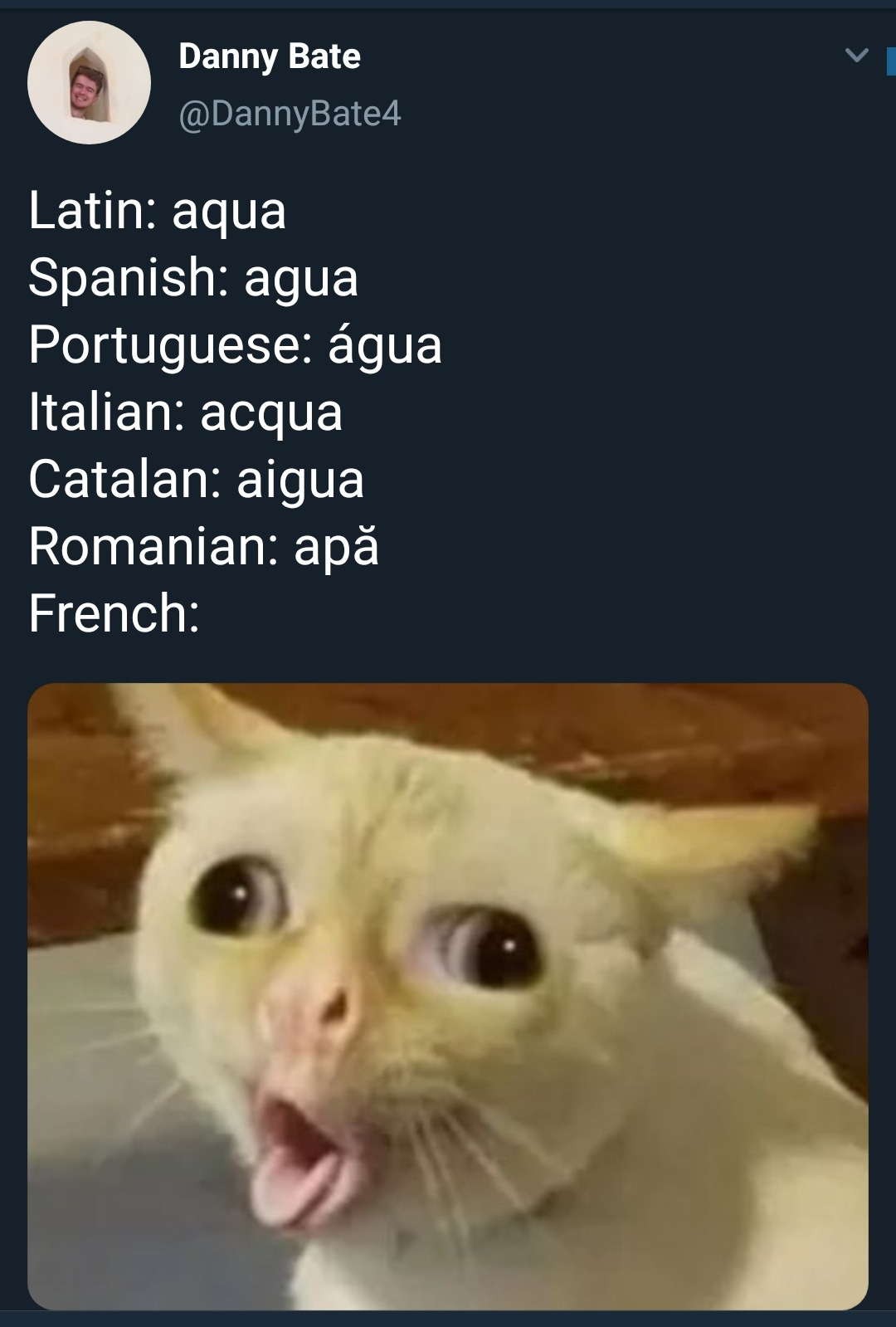
Aqua is cognate with the Germanic word *ahwō. True, one means ‘water’, the other ‘river’, but we can envision the latter sense developing from the former. They also differ in their first consonant, but the *h of the Germanic word we can explain through the shifts of Grimm’s law that define the Germanic languages. All things considered, we can consider the two to have sprung from the same source.
What that source was may well have been Proto-Indo-European, ancestor of the whole family of which Latin and Germanic are members. It could have had a word for ‘water’ that we may label *akwā. From this, aqua and *ahwō could emerge.
Now, the strongest proposals (‘reconstructions’) of vocabulary for Proto-Indo-European spin together many threads; they draw evidence from several branches of the family tree strewn across Eurasia: the Germanic, the Indo-Iranian, the Slavic, the Celtic, the Hellenic, the Anatolian and so on. They thereby mitigate for mutual influence and chance, so that ancestry from Proto-Indo-European becomes the most plausible theory.
In this case, with aqua and *ahwō, these are all the threads we have to weave with. No certain trace of cognate words can be tracked elsewhere in Indo-European. A two-legged structure for reaching Proto-Indo-European has nothing else to lean on. It stands, but wobbles.
The limited distribution of cognates invites healthy doubt and speculation. It remains a possibility that the single source of aqua and *ahwō was indeed stored in the lexicon of Proto-Indo-European, only to be lost in all of its descendant lines save two. But the door is also open to an instance of borrowing.
This alternative explanation would envision a word, in a language local to central and southern Europe, that was adopted into the Indo-European family from outside. Such an external origin was considered by the scholar Robert S. P. Beekes, for one. In Beekes’ view, *akwā belonged to the prehistoric language behind so many European river names. It acted as a ‘substratum’ that donated words to the ascendant Indo-European languages. Those words in time became all that remained of it.
If this alternative is correct – and it’s a heavy if – then we have a world of historical language behind the ending of the humble river Mumlava. It can tell a long tale of shifting populations and their languages.
The German speakers who settled the Bohemian border along the Mumlava were cast out in 1945/6; Czech speakers have since filled the void. Centuries earlier, the Czechs-to-be had gained both river names and a hydronymic suffix (-ava) from the Germanic language present on their arrival into Bohemia and Moravia. This -ava was a word in that Germanic language, one that meant ‘river’. The word developed out of a pre-Germanic ancestor, shared with Latin aqua. That in turn may have previously belonged to an unrelated and unclear language, spoken in the dark undercurrents of European prehistory.
That language is barely conceivable today, known from only whispers and fragments. Yet it once might have been hale and hearty, even displacing other tongues in the minds and mouths of ancient speakers. On and on it has gone, the flow of life and language, in which I too am of course submerged. Occasionally, I feel the truth of that fact: that my life and my language are a drop in that flow, now new, but doomed to be old and, in time, washed out to sea and oblivion.
END.
References
- Beekes, R. S. (1998). The origin of Lat. aqua, and of *teutā ‘people’. Journal of Indo-European Studies, 26(3/4). 459–466.
- Blažek, V. (2010). Etymological analysis of toponyms from Ptolemy‘s description of Central Europe. Brozović Rončević, D., Fomin, M., & Matasović, R. (Eds.) (2010). Celts and Slavs in Central and Southeastern Europe. Proceedings of the Third International Colloquium of Societas Celto-Slavica, held between 18-20 September 2008 in Dubrovnik (Croatia): Studia Celto-Slavica III. Institut za Hrvatski Jezik i Jezikoslovlje. 21–45.
- Dávná a někdy trochu tajemná – jména našich řek: Český rozhlas feature (2011).
- Kroonen, G. (2013). Etymological Dictionary of Proto-Germanic (Leiden Indo-European Etymological Dictionary Series). Leiden, Boston: Brill.
- oed.com
Resources:
- Gothic Bible text and translation
Images my own, from Wikimedia, or from credited sources. Cover image: the Mumlava Waterfall.
 Danny L. Bate
It seems to me that rivers would have old names because you show up there and it doesn’t need naming. Are there examples of rivers that had one name at the start and a different one at the end? Or different names on different sides?
In Virginia there’s a story about a river called the Mattaponi, named after the local tribe. Turns out if you go up river it has three branches which were then named Matta, Po and Ni. Feels apocryphal but a good folk tale.
Glad I found you in twitter before it imploded!
LikeLiked by 1 person
Side issue:… top of Snezka – I wonder does this mean “the Snowy One”?
Snow; – Russian SNEG, Irish SNEACHTA
LikeLiked by 1 person
Yes!
LikeLike
Being both a wino and an amateur linguistic nerd, I would love a story on both the Moravian dialects and, if you happen to do a bit of wine tasting in Brno and Bratislava, a full report on the supposedly delectable Moravian wines! The Danube, Dan, Don, Dneiper connection is fascinating, showing how the primordial river goddess, Danu, seemed to be common to all of the Indo-European cultures, in some form, from Ireland to India. Na Zdraví!
LikeLike
Fascinating, yes, but I’m not sure how you get a goddess out of this. Especially one with *a. The final *u also looks rather newfangled.
LikeLike
“Bohemia, a term that English gets from Latin, was most likely coined to mean the ‘Boii-home’ originally. This etymology makes the –hem- of Bohemia a cognate of English home and German Heim.”
Václav Blažek has published a paper somewhere (I haven’t managed to find it) that proposes a purely Celtic *boio-saimon, which would have referred to the chain (of mountains) that surrounded the Boii. This requires that the local version of Celtic had a shift from [s] to [h]; I don’t suppose there’s any evidence for or against that, and I don’t know what the paper says about it. But of course the incoming Germanic tribes would have interpreted this **haimon as their own *haimą.
The idea of Bohemia as a home lives on, if perhaps accidentally, in the Czech national anthem…
“akwā“
I recommend this essay for more.
LikeLiked by 1 person